Projects
A cyber-physical system to improve production monitoring, planning and scheduling in off-site construction environments
Tech Stack
- Coding: Python, Microsoft PowerApp, Power Automate
- Libraries: Pytorch, Pandas, Scikit-learn
- API: REST
- Frameworks: Django, React
- Protocols: Wi-Fi, TCP
- Databases: Microsoft SQL Server
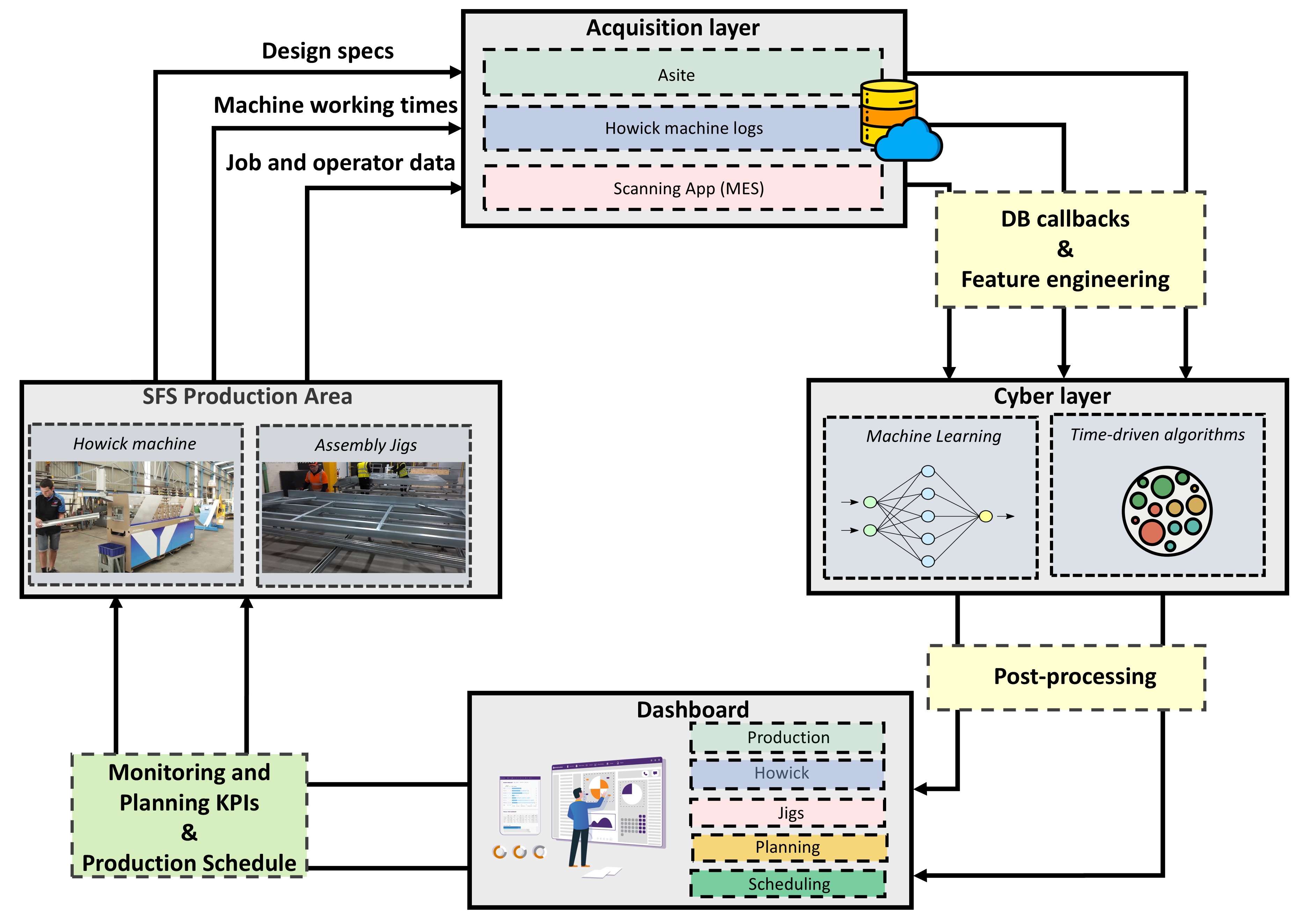
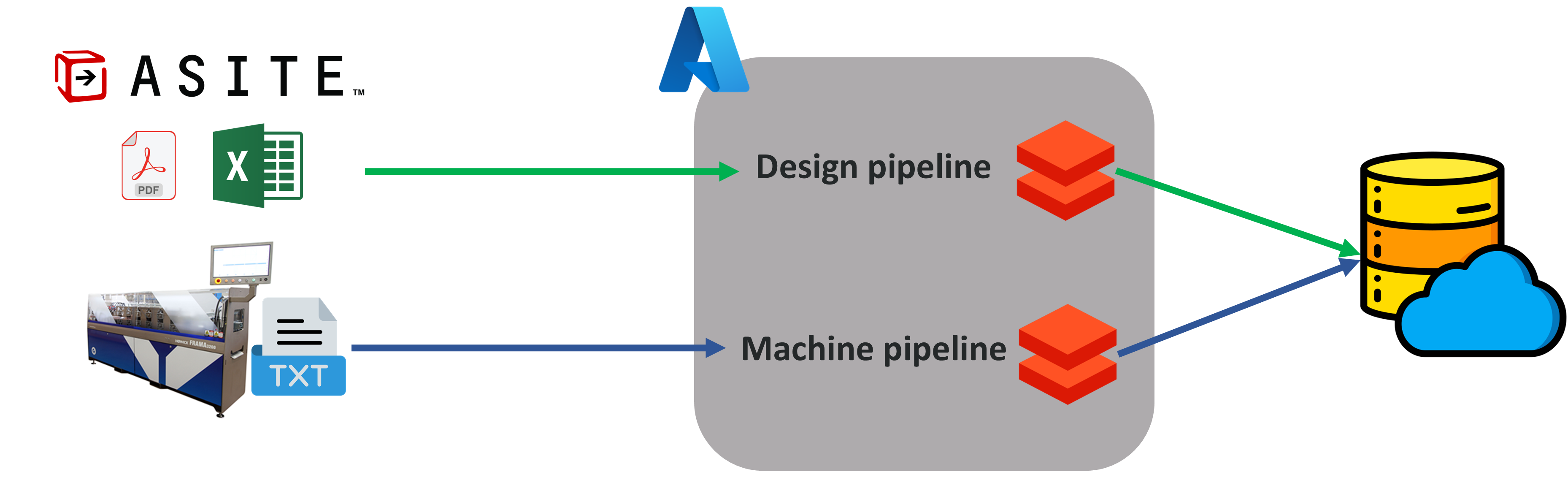
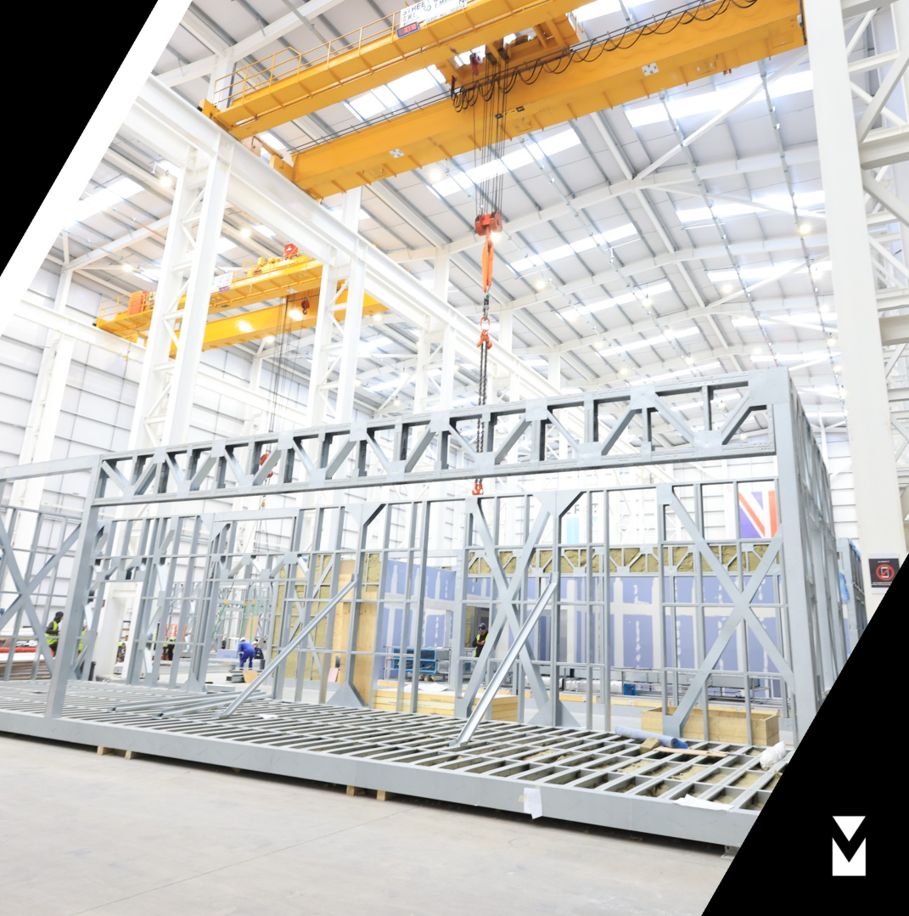
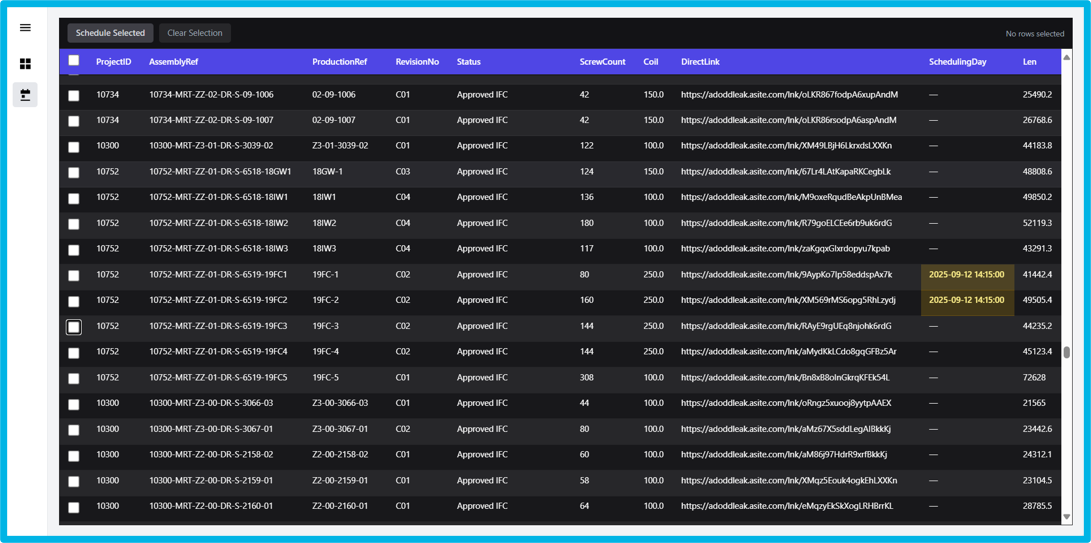
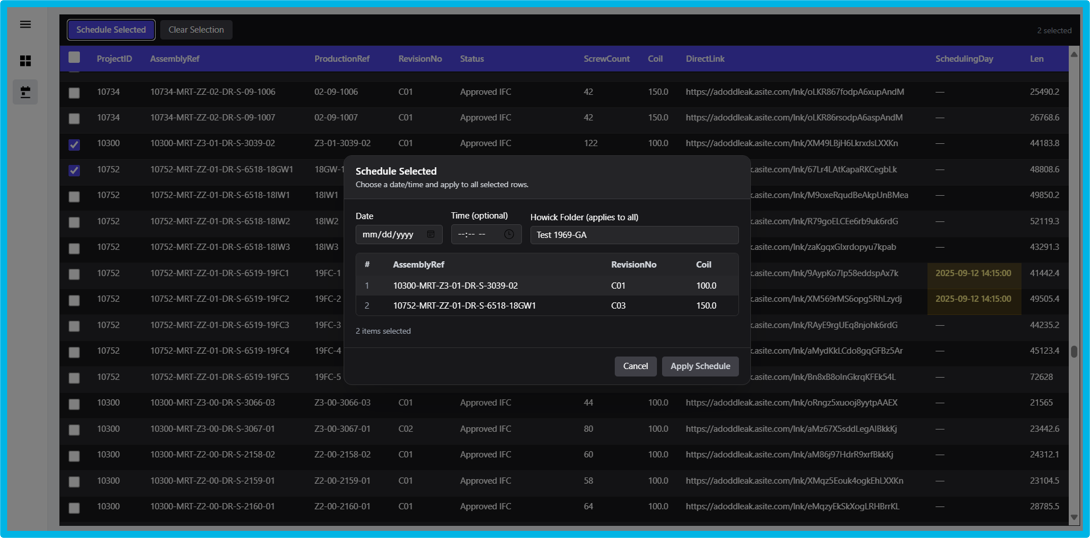
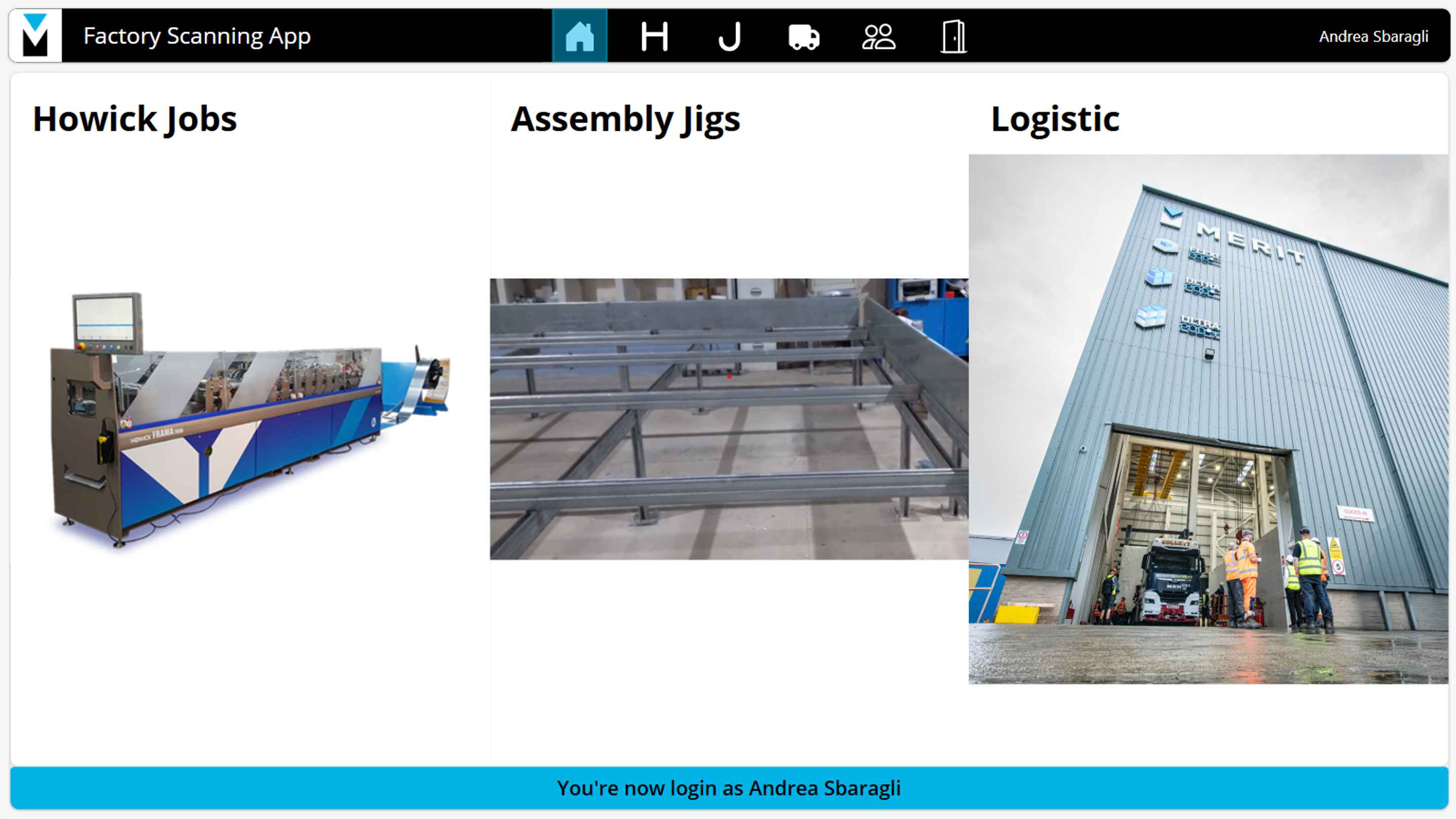
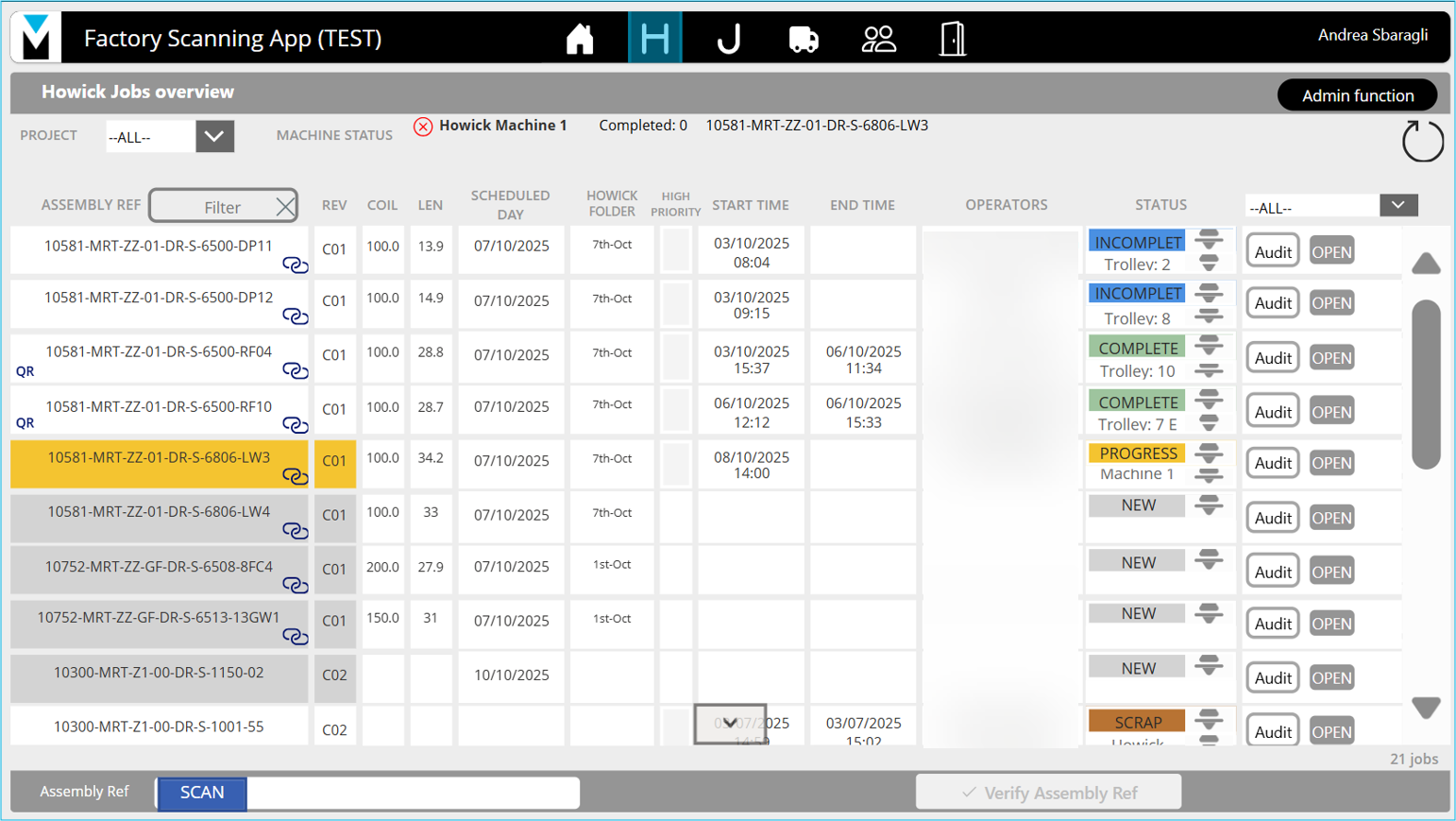
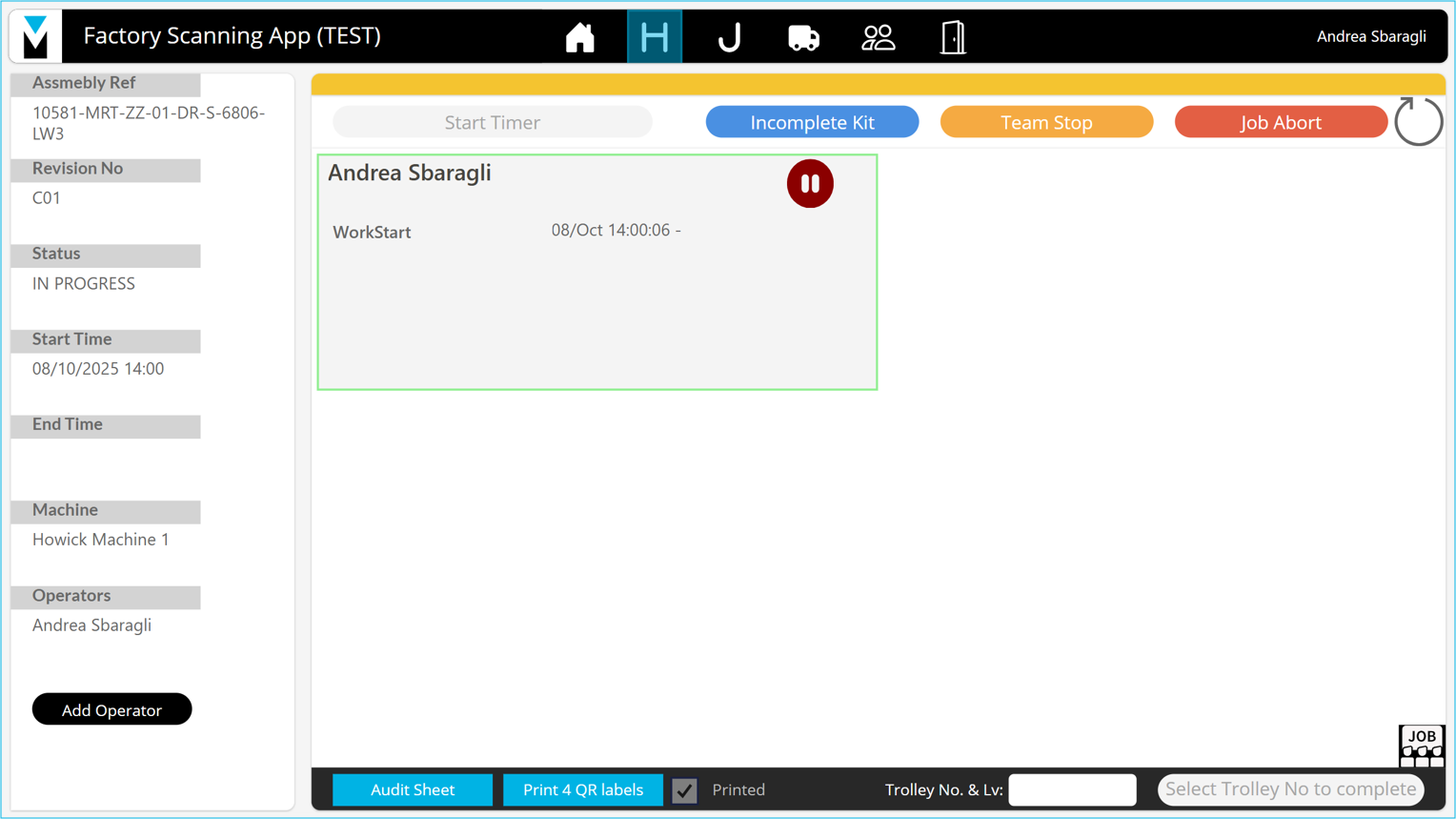
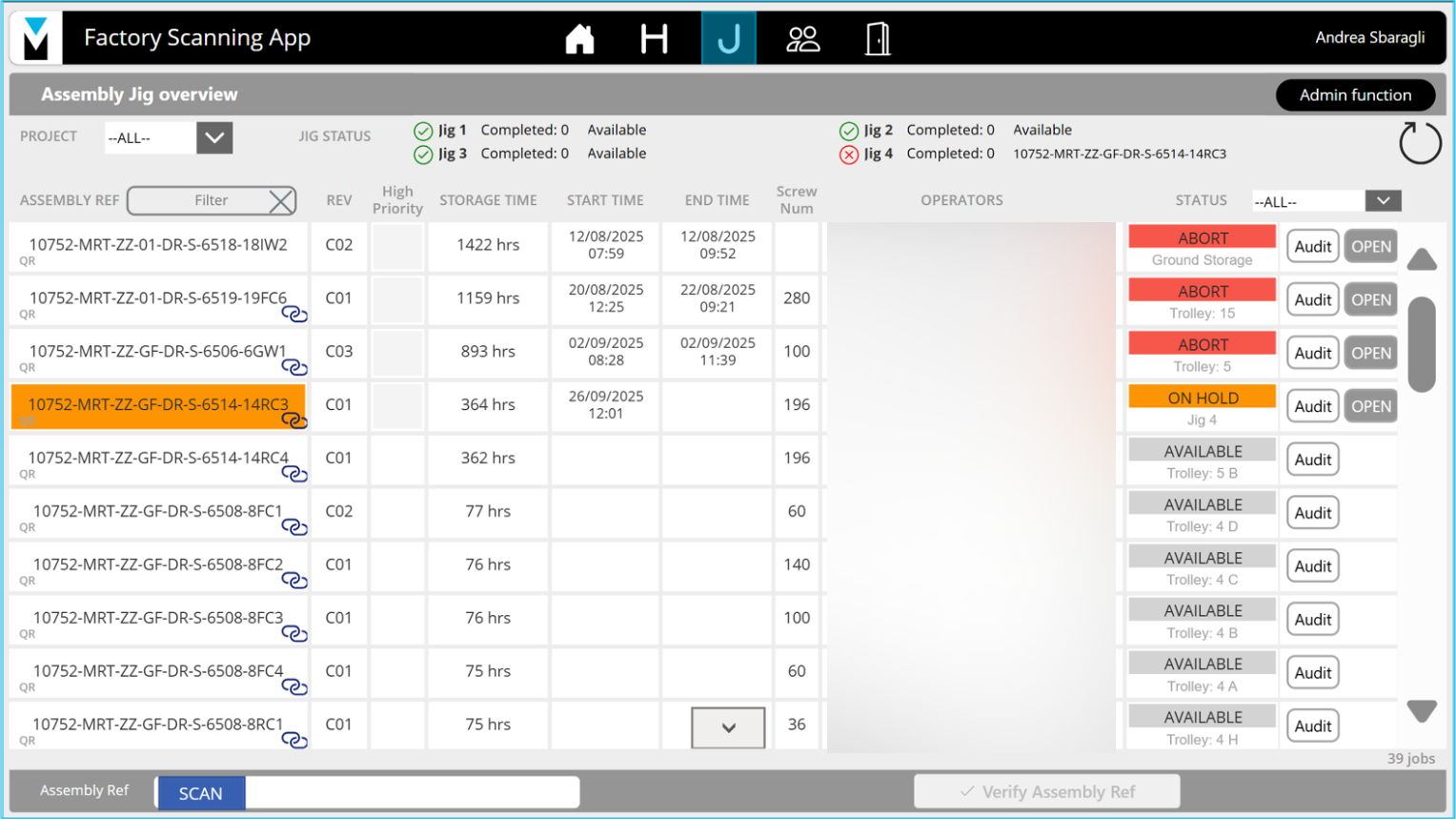
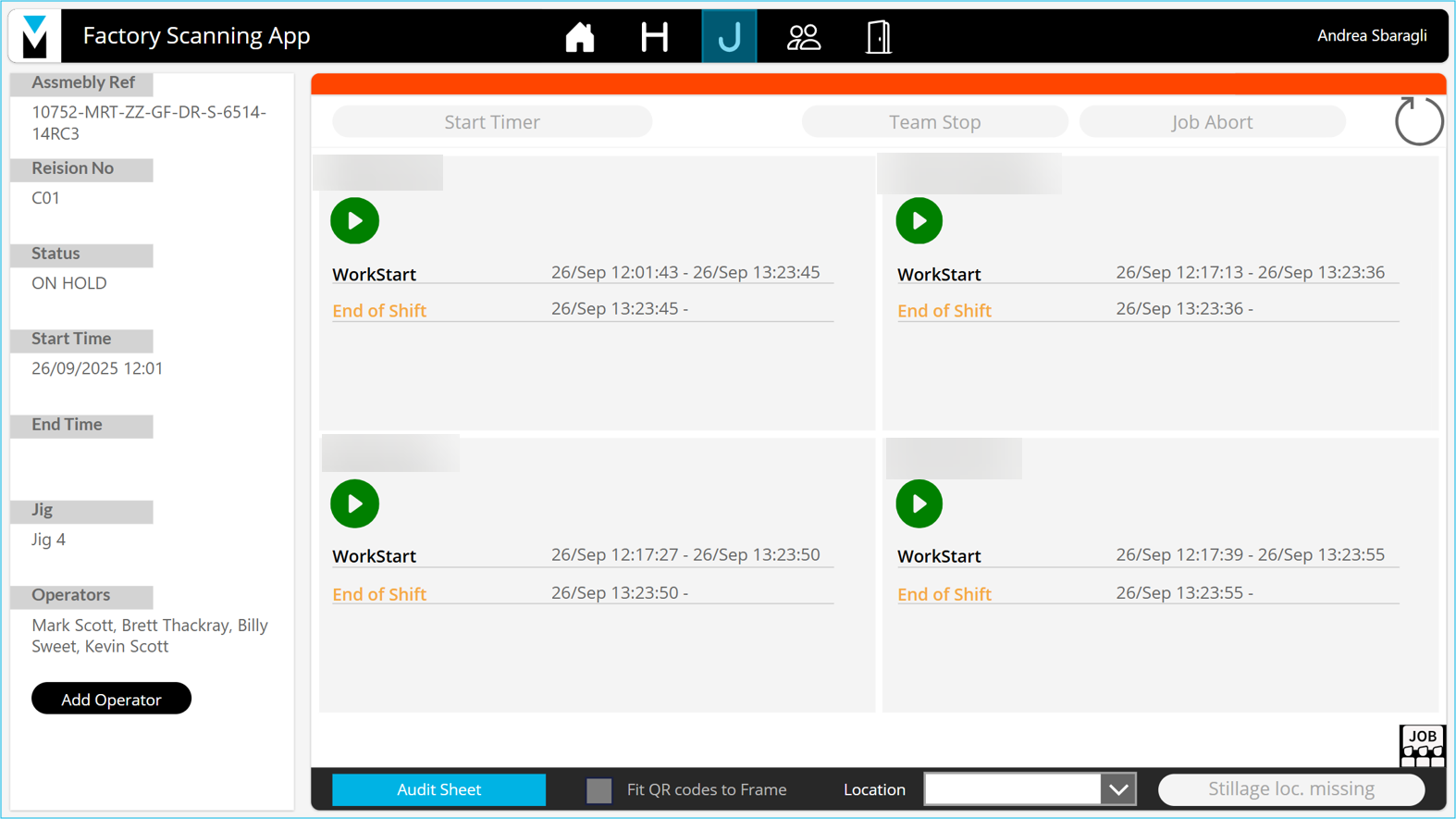
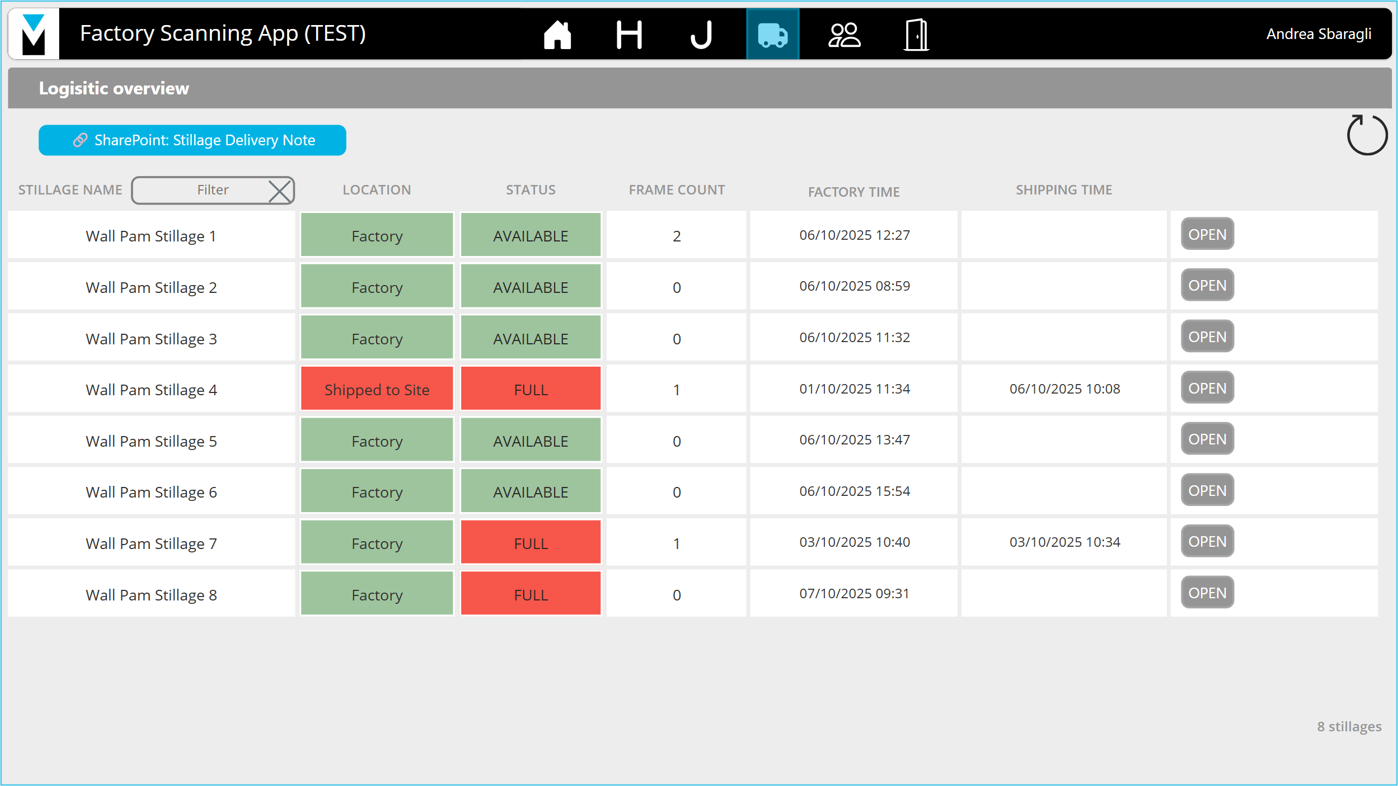
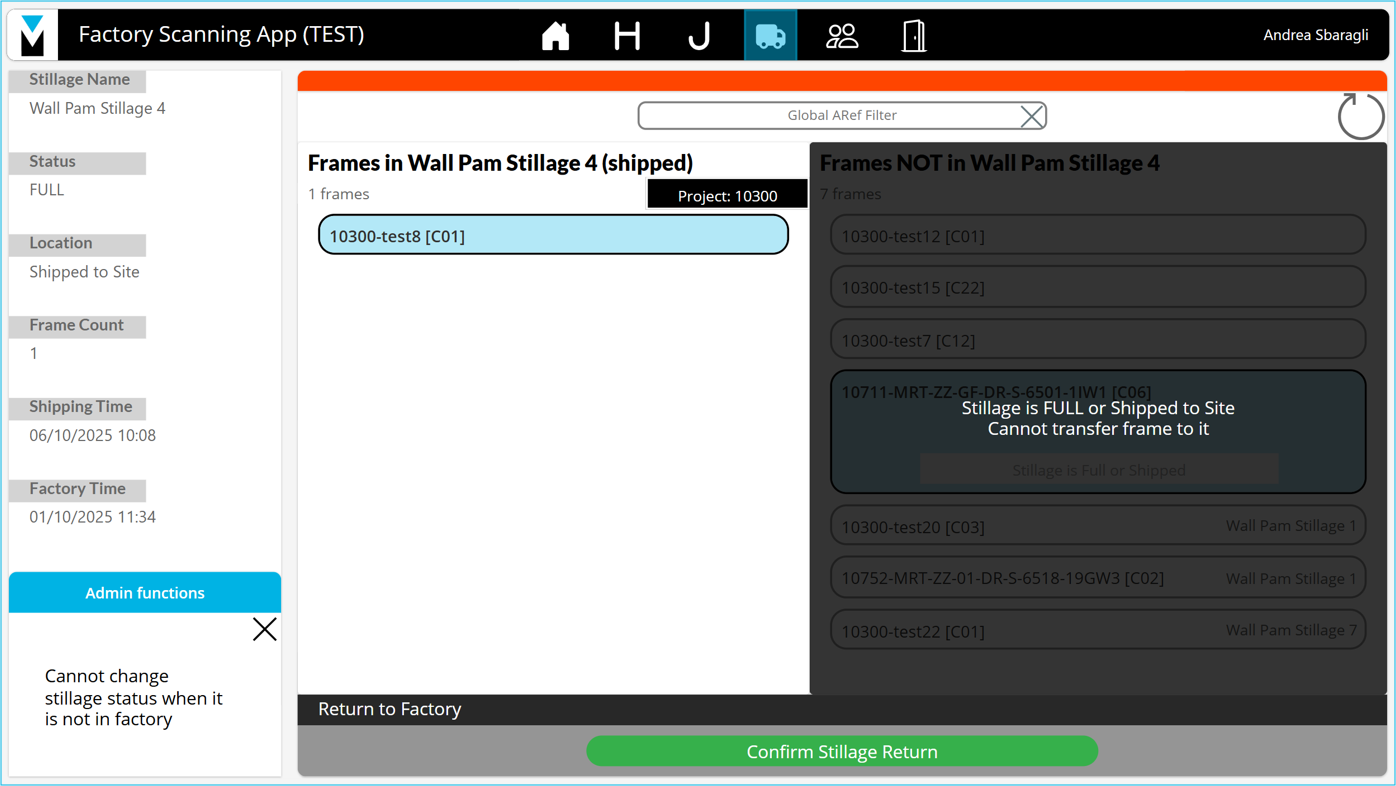
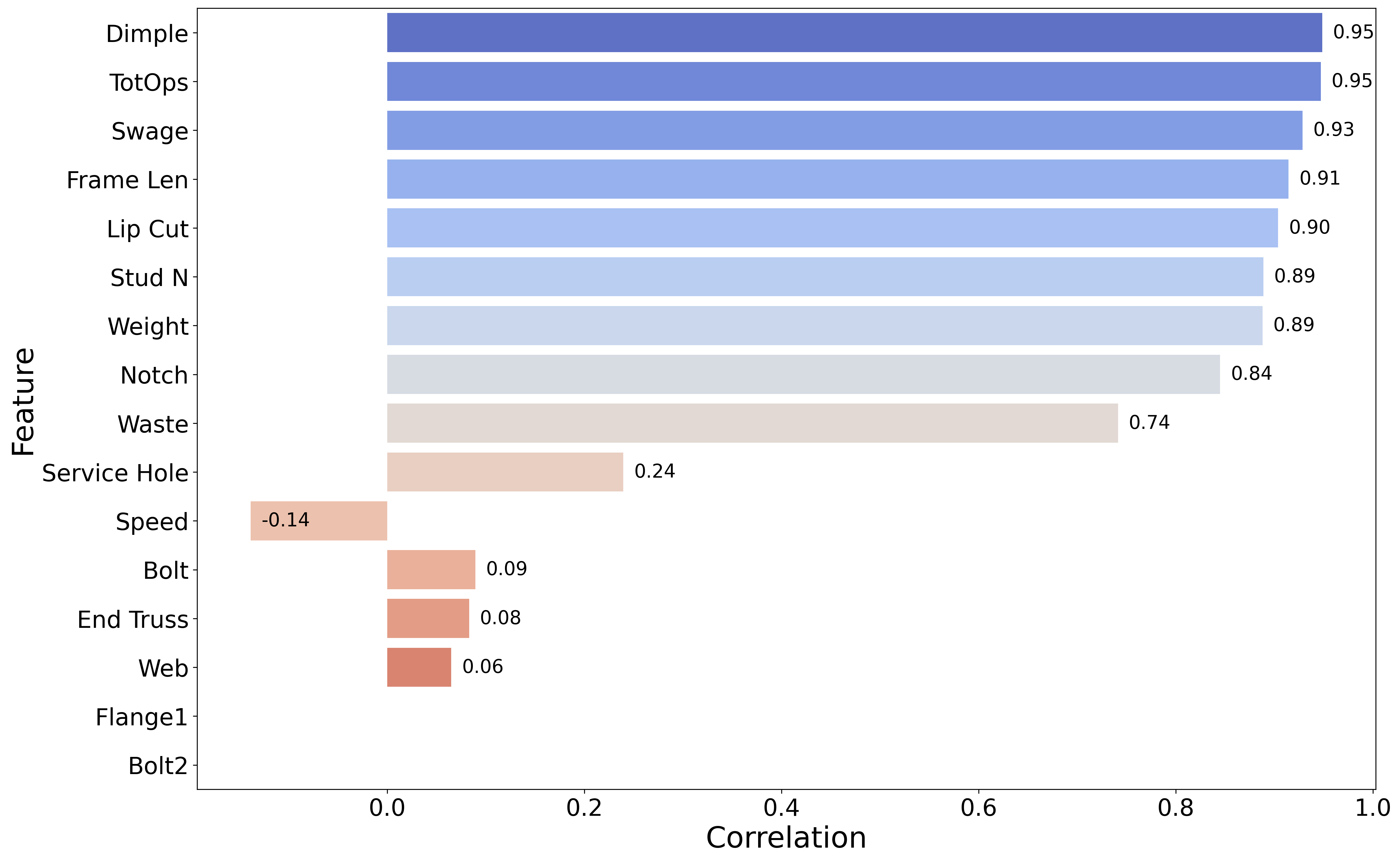
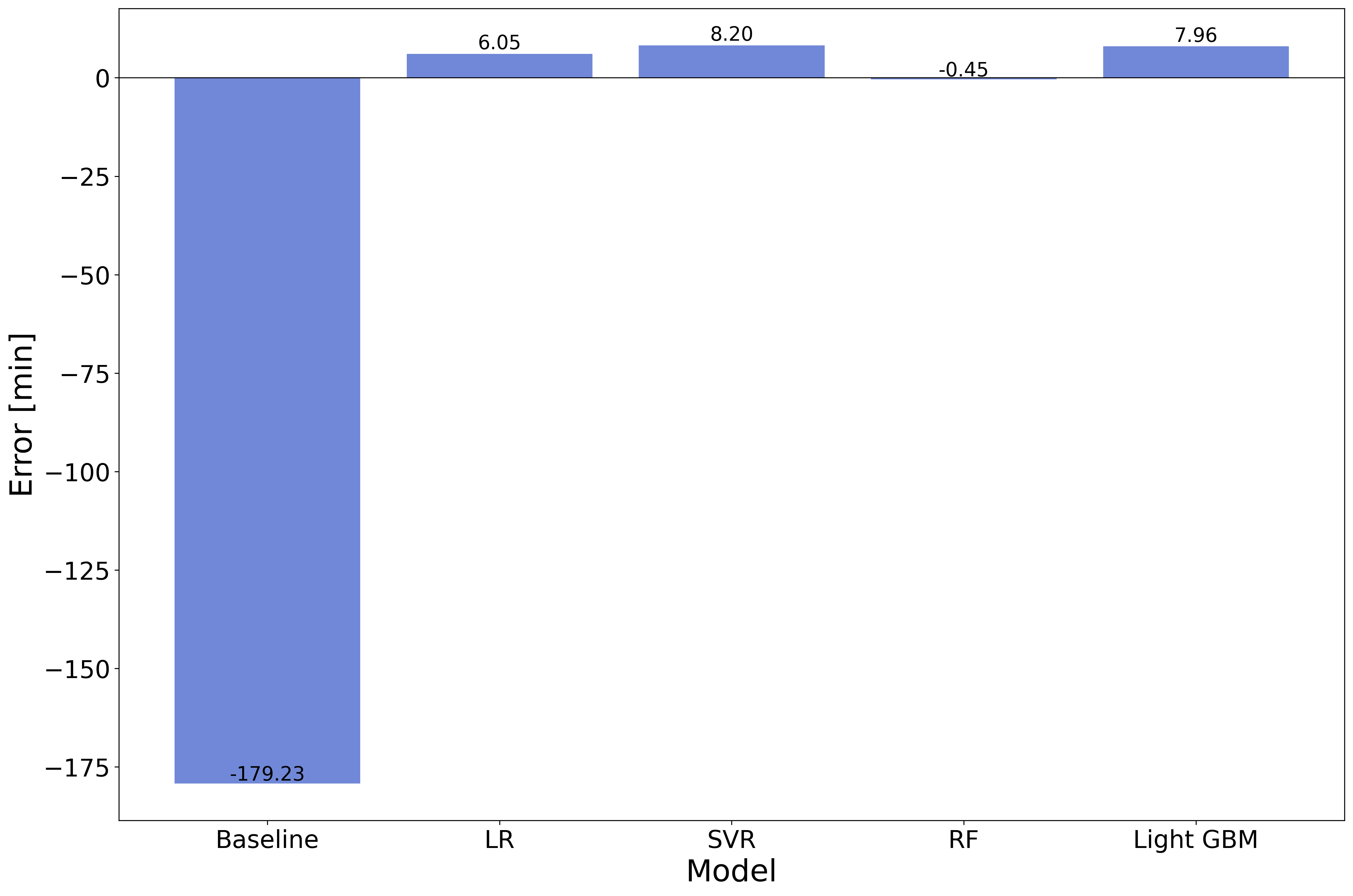
Off-site construction offers a novel approach that moves the core of the building process from the jobsite into controlled manufacturing environments to improve project planning and overall productivity. However, construction factories serving as a critical bridge between Building Information Models and site installation may suffer from cost overruns due to the non-repetitive nature of building modules. In this scenario, lean principles are utterly inadequate to monitor manufacturing operations and thus are complemented or even replaced with Industry 4.0 enabling technologies. This work presents a cyber-physical system to improve production scheduling, monitoring and planning of fast-paced and non-standardized off-site environments. The proposed system digitizes manufacturing operations by acquiring machine working times, product design features, and process-driven events via a in-house built Manufacturing Execution System (MES). While the first two multidimensional datastreams are processed by a cyber layer that benchmarks machine learning algorithms to forecast production working times, MES data are pivotal to evaluate production efficiency as well as monitor shipping out events. These outputs flows into a native dashboard (Django + React) that supports manufacturing stakeholders in the following production areas: 1- Scheduling: send production run list to machine. The TCP protocol is used to send data to machines and integrate with the MES 2- Monitoring: evaluates the efficiency of production resources, workforce as well as material usages and production cost. 3- Planning: forecast products production times before physical execution. The Random Forest is the most performing algorithm on the collected dataset, achieving a Median Absolute Percentage Error equal to 10.84% and a percentage residual error of 0.02% on a production order of 420 frames.

A cyber-physical architecture to monitor human-centric reconfigurable manufacturing systems
Tech Stack
- Coding: Matlab, Python
- Libraries: PyTorch
- API: Websockets
- Protocols: Wi-Fi, MQTT
- Ingestion: Node-Red
- Databases: InfluxDB
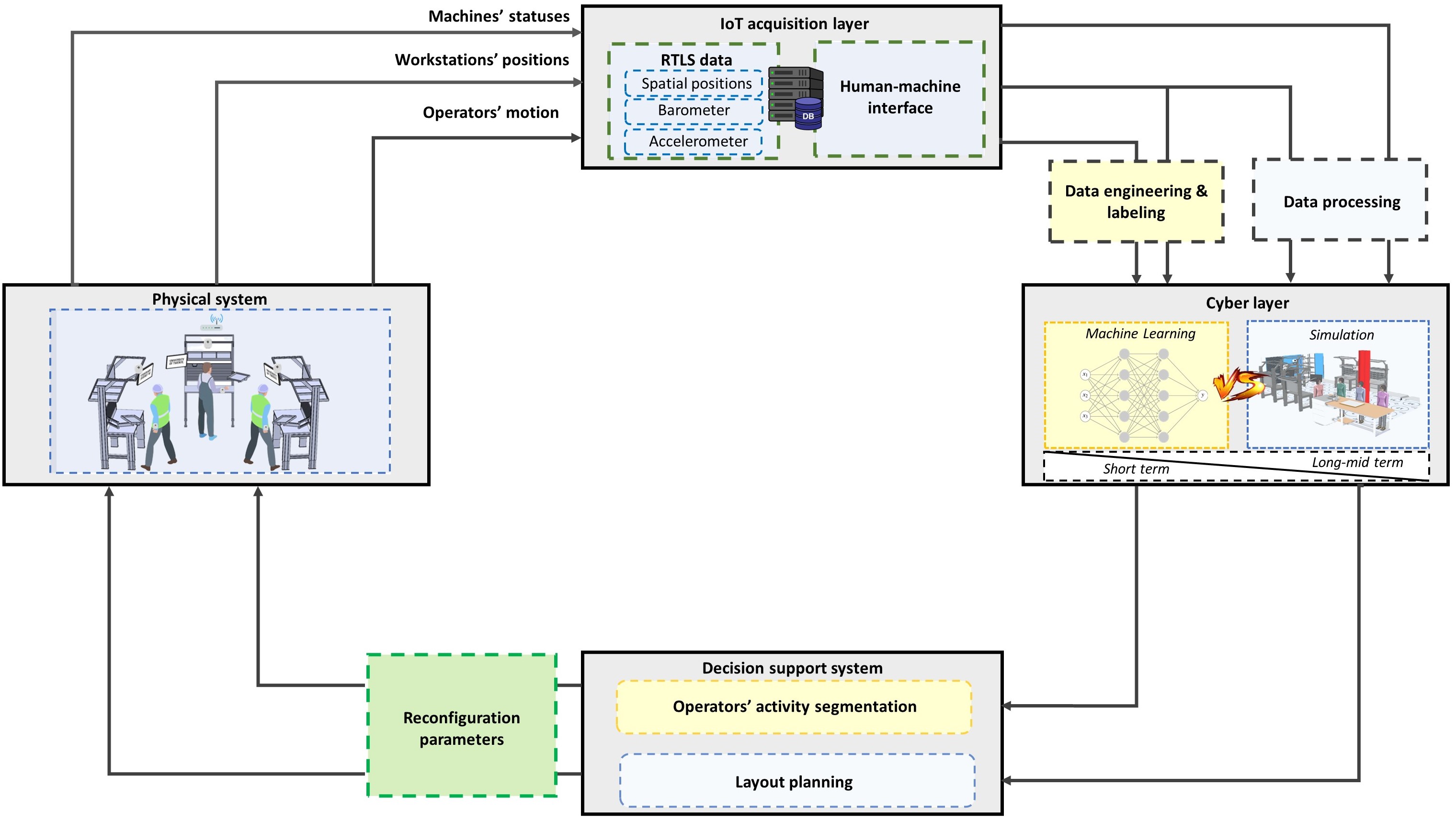
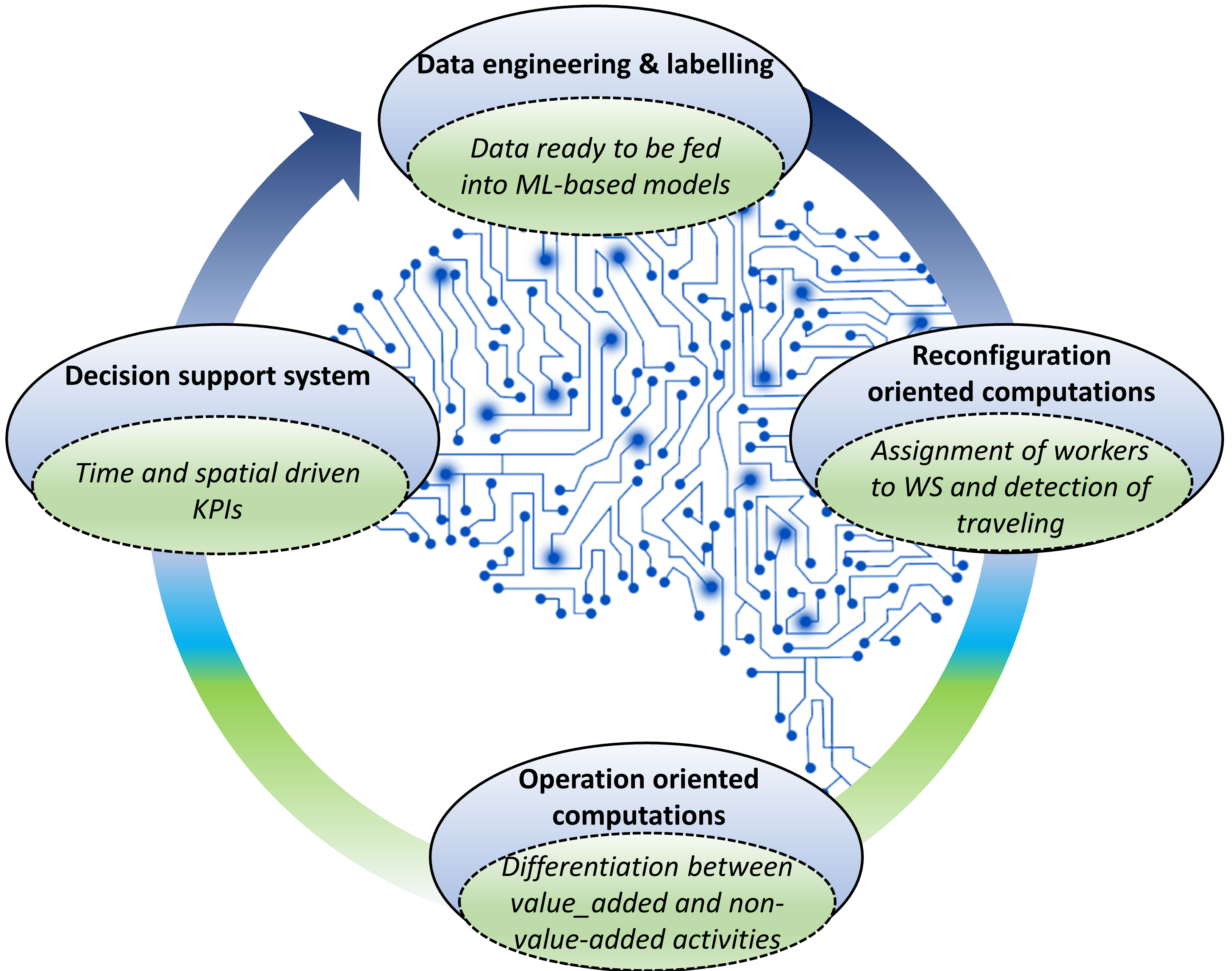
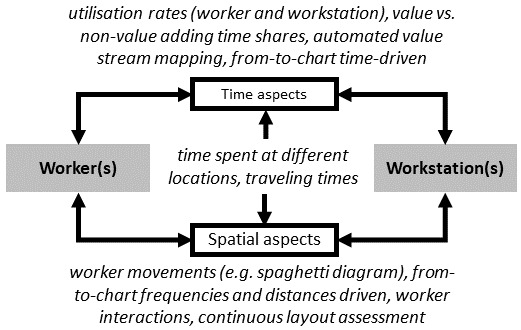
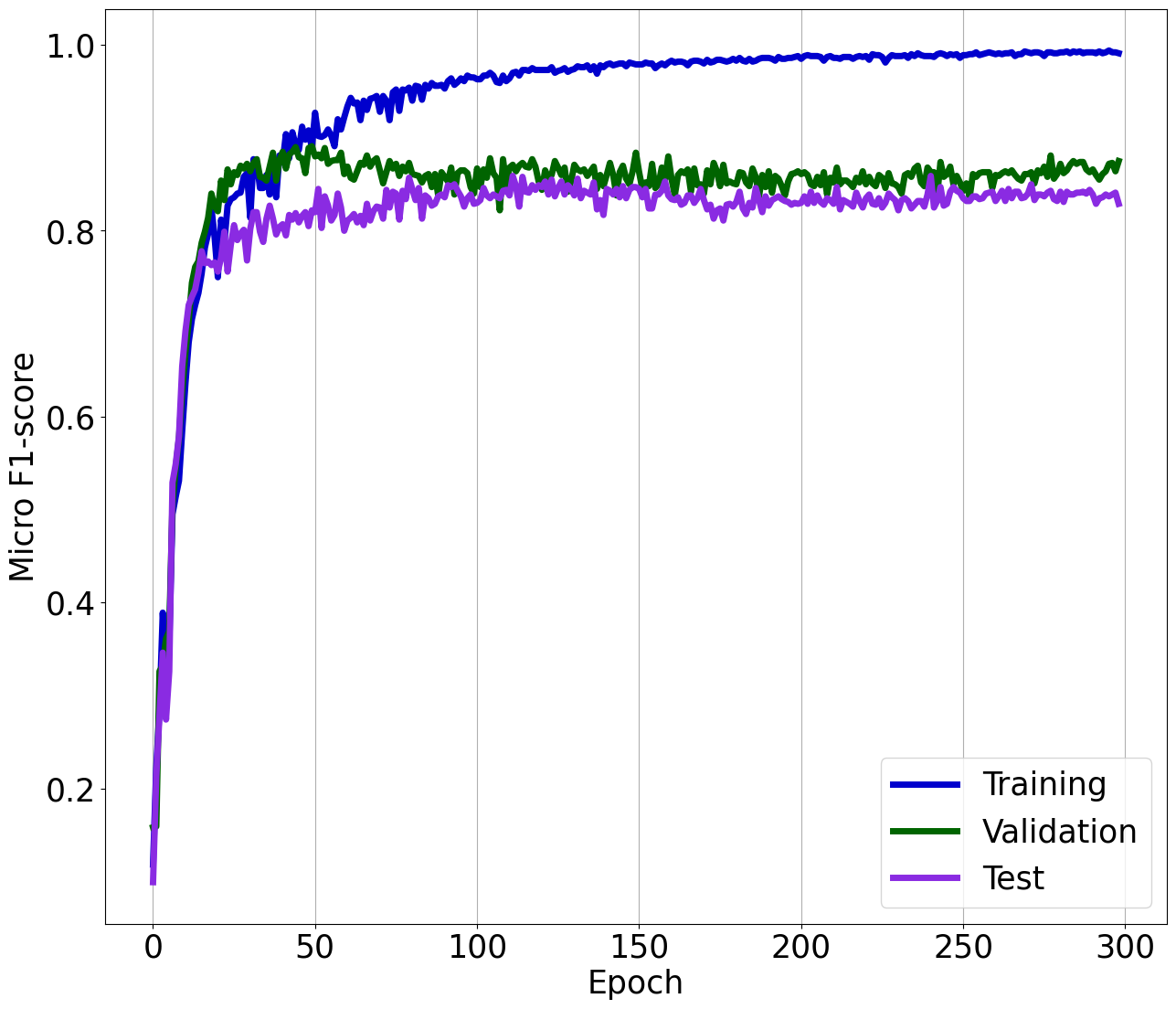
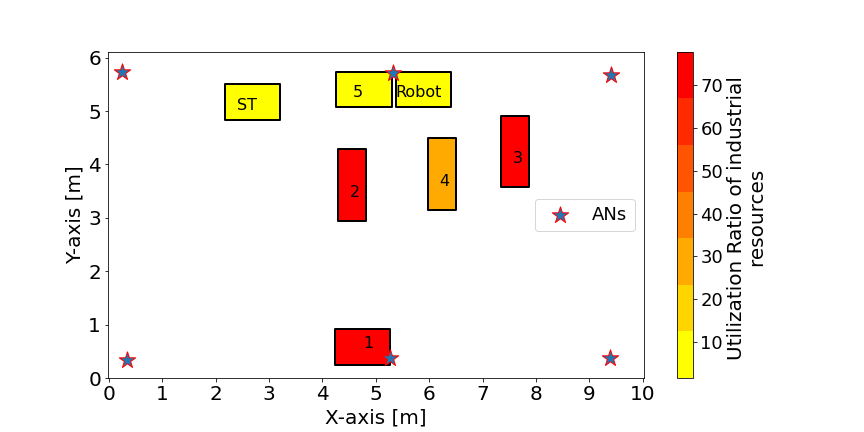
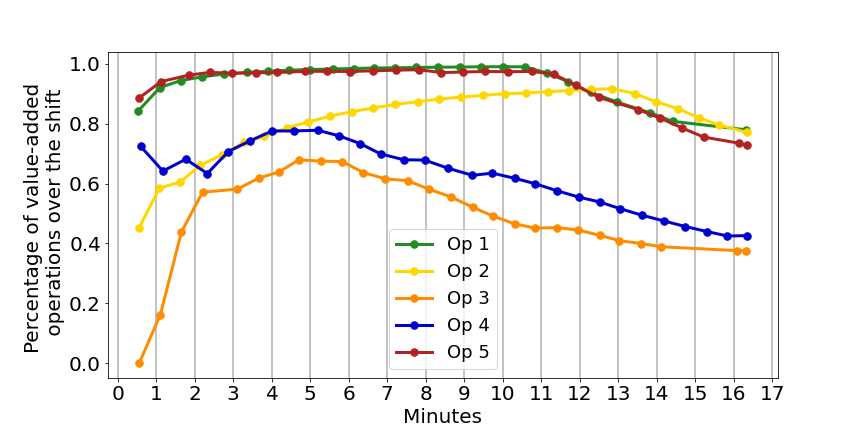
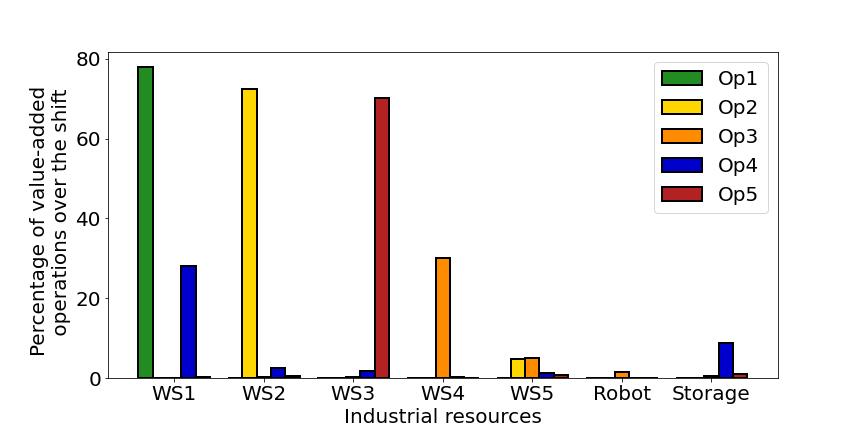
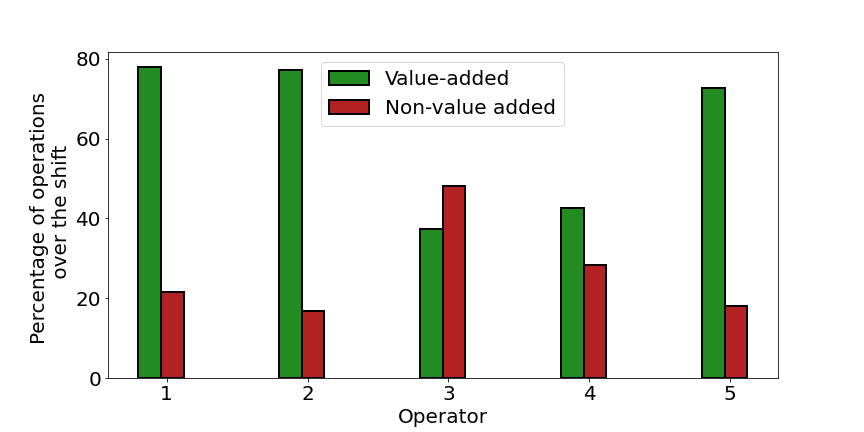
Reconfigurable manufacturing systems represent the most adequate production paradigm due to their ability to meet mass customized needs while ensuring cost-effective flexibilities and performances. However, digital solutions are required to manage these dynamic environments over working shifts and processes’ reconfiguration. In this scenario, this work proposes a layout and task-insensitive cyber-physical architecture to monitor human-centric reconfigurable manufacturing systems. Workers’ motion patterns and industrial resources’ positions are acquired through a radio-frequency-based real-time locating system. These data streams are fed into a machine-learning cyber layer to segment operators’ activities during production cycles into two steps. The first computational stream assigns workers’ motion patterns to industrial resources regardless of the system configuration. The following step distinguishes workers’ operations into value-added and non-value-added. These outputs are stored in a decision support system where customized callback functions develop key performing indicators to monitor the performance of such reconfigurable human-centric environments. The validity of the cyber-physical architecture is demonstrated in an industrial-related pilot environment, involving 40 workers and 8 production set-ups.

From Sensing to Segmentation: Transformer-Based Worker Activity Recognition for Industrial Assembly
Tech Stack
- Coding: Python
- Libraries: PyTorch, Pandas, Numpy
- Protocols: Bluetooth, Wi-Fi
- Ingestion: Node-Red
- Databases: InfluxDB
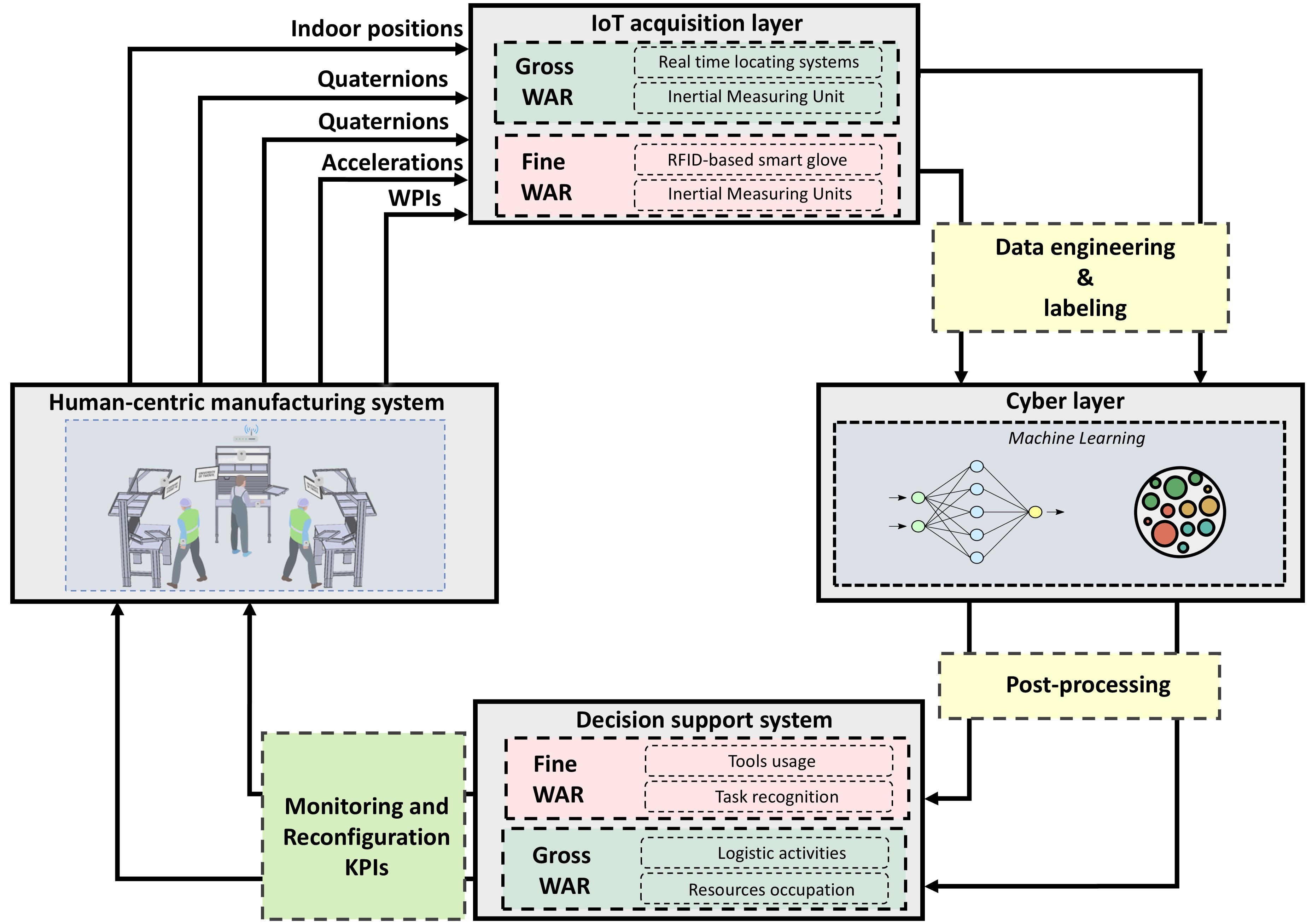
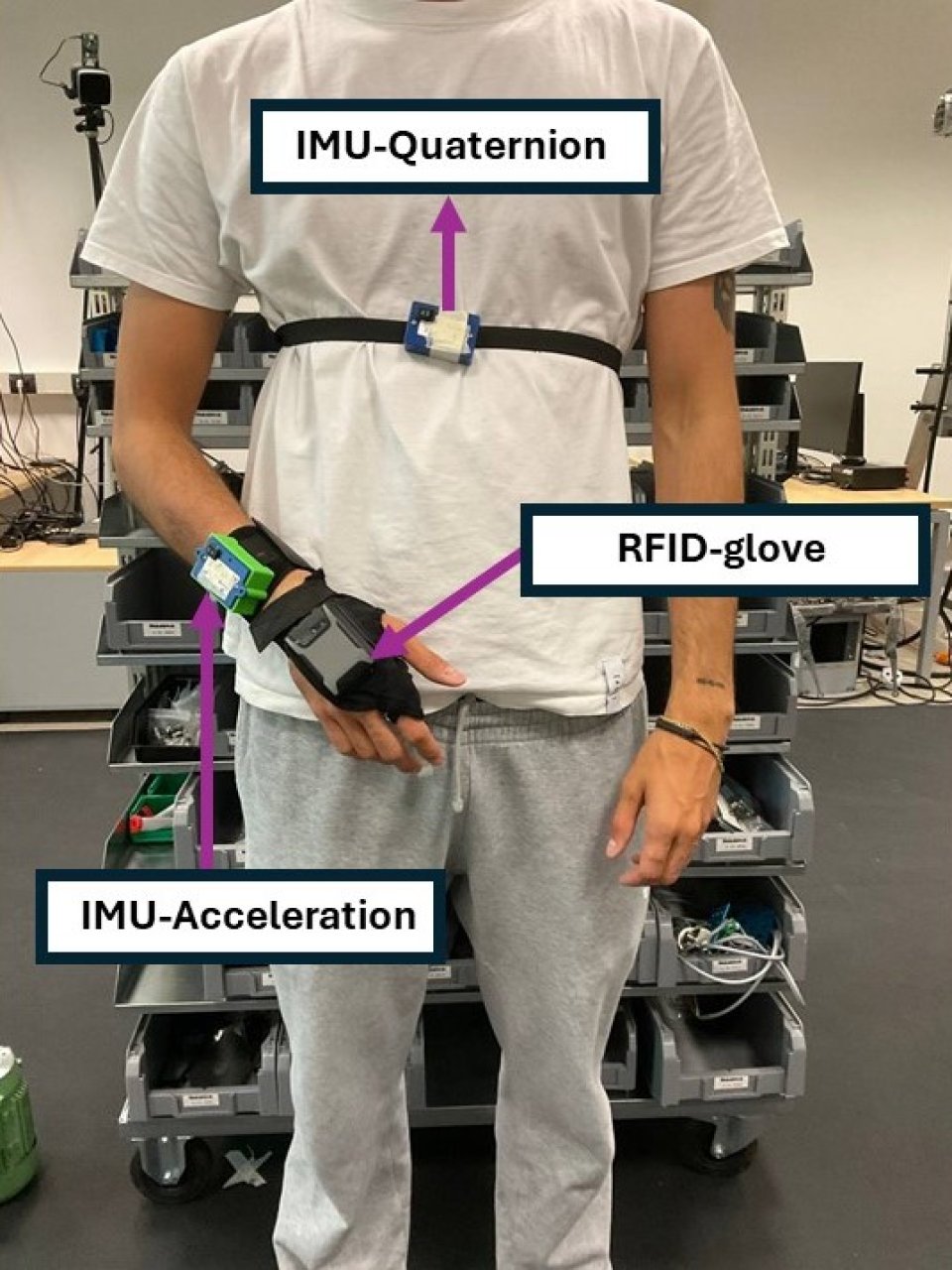
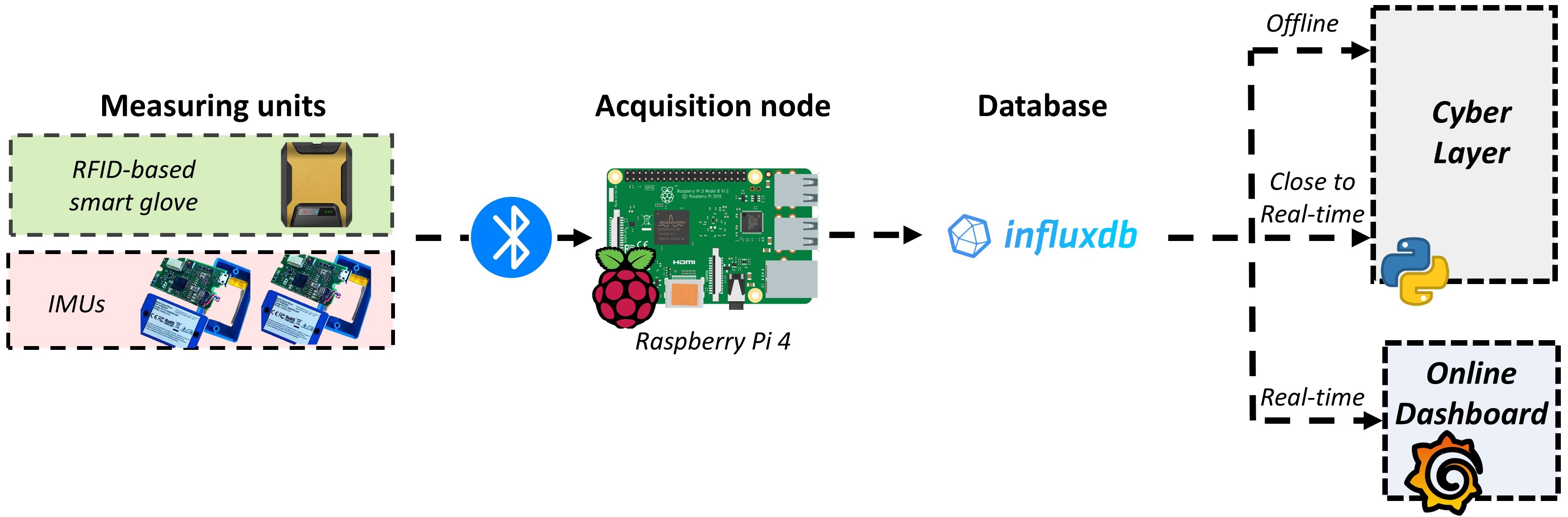
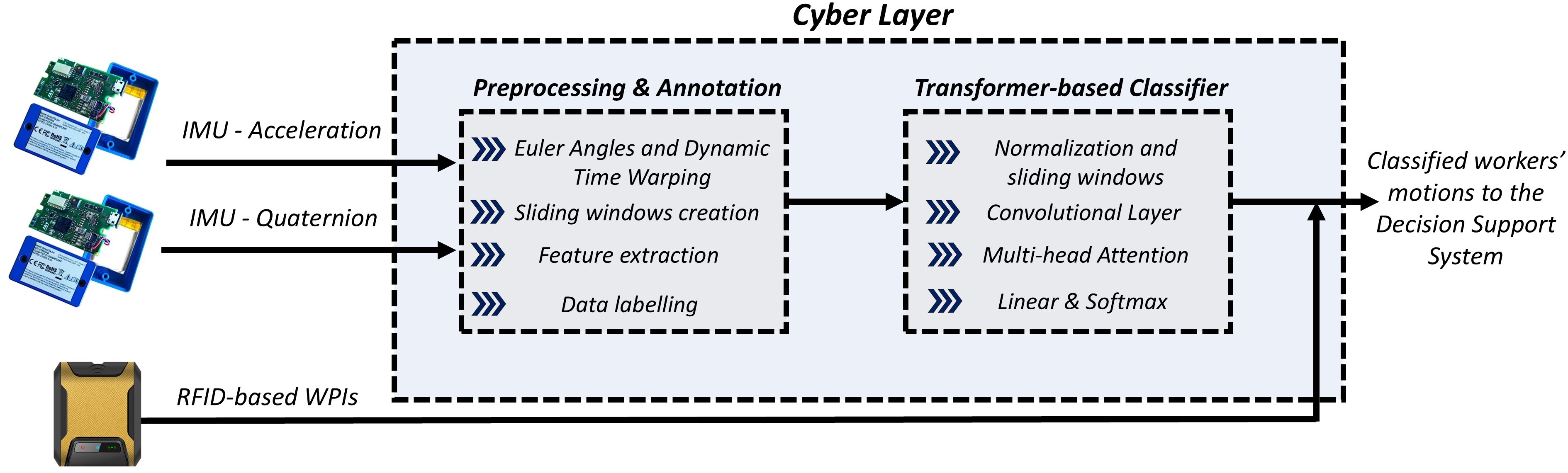
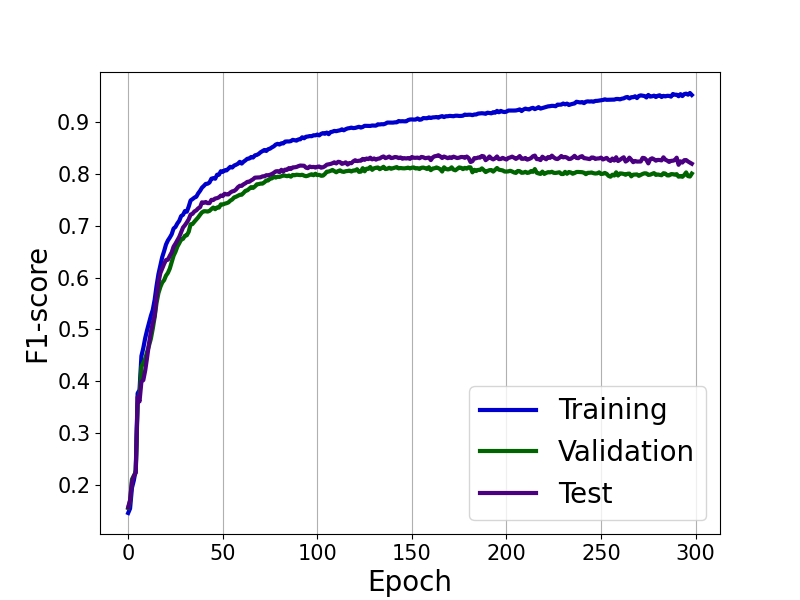
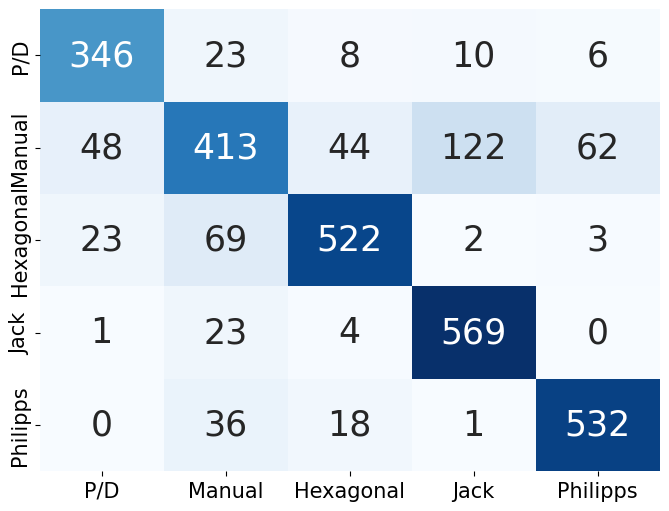
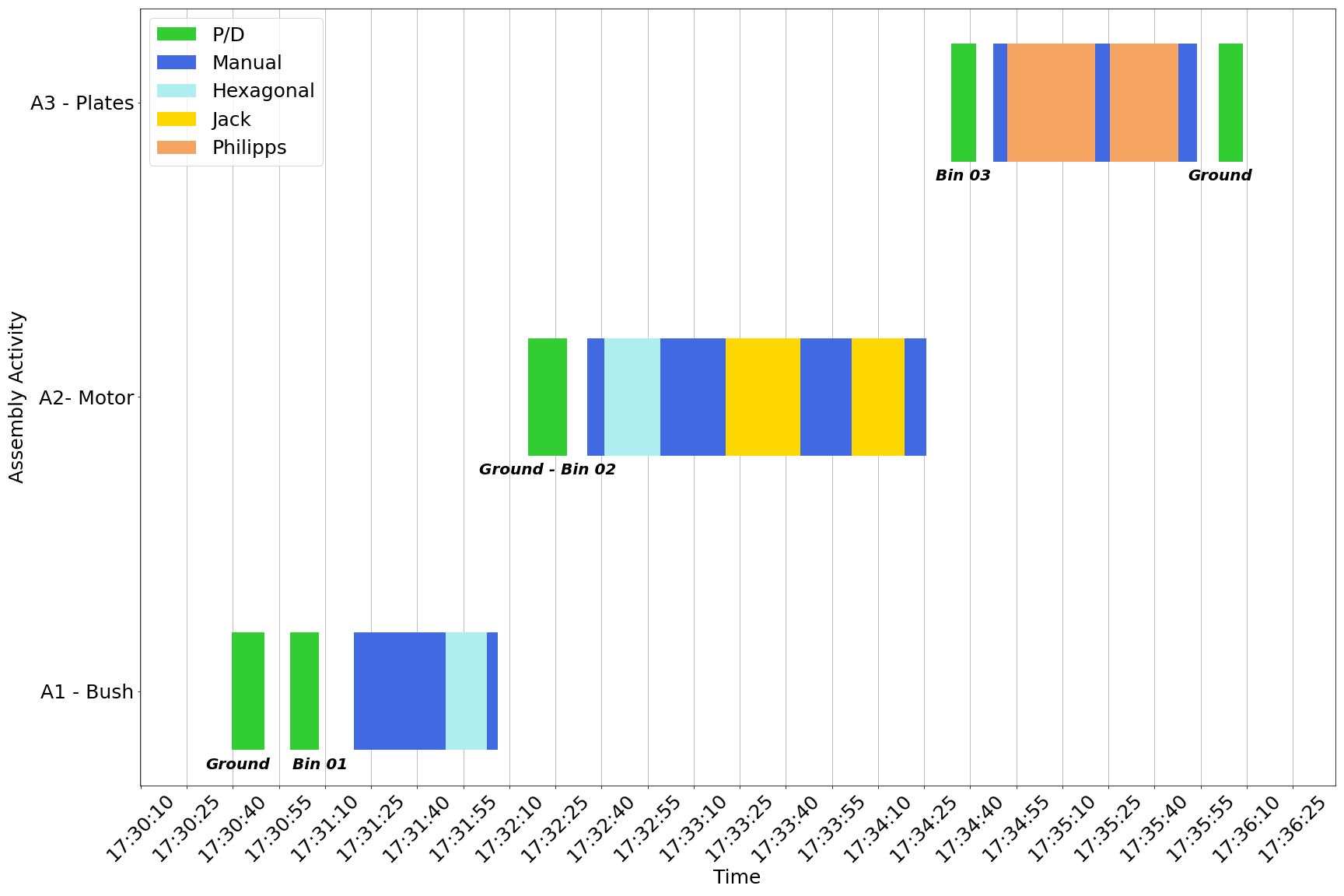
Human operators still provide strategic, value-added contributions to modern manufacturing systems, despite the widespread adoption of automation. This paper presents a cyber-physical system designed to perform fine-grained Worker Activity Recognition (WAR) and segment manual operations in human-centric assembly environments. The proposed system includes a modular and low-intrusion IoT acquisition layer that digitizes worker movements using Inertial Measurement Units (IMUs) and a radio frequency-based smart glove. While the IMUs track hand and back motion, the glove captures process interactions such as picking and depositing components. These multimodal data streams are processed by a cyber layer that performs time- and frequency-domain feature extraction and feeds the data into a Transformer-based neural network to classify five common assembly tasks. The results are post-processed by a Decision Support System to generate interpretable task segments and provide key performance indicators for industrial supervisors. The system is validated through a real-world deployment involving three workers assembling a vertical centrifugal pump, resulting in over 7 hours of annotated data. The Transformer model achieves an F1-score of 82% on this dataset. Thanks to its unobtrusive sensors, low deployment cost, and robustness to occlusions, the proposed solution offers a practical and scalable approach to enhancing visibility and traceability in manual industrial operations.
Goal-oriented clustering algorithm to monitor the efficiency of logistic processes through real-time locating systems
Tech Stack
- Coding: Python, MATLAB
- Libraries: Pandas, Numpy
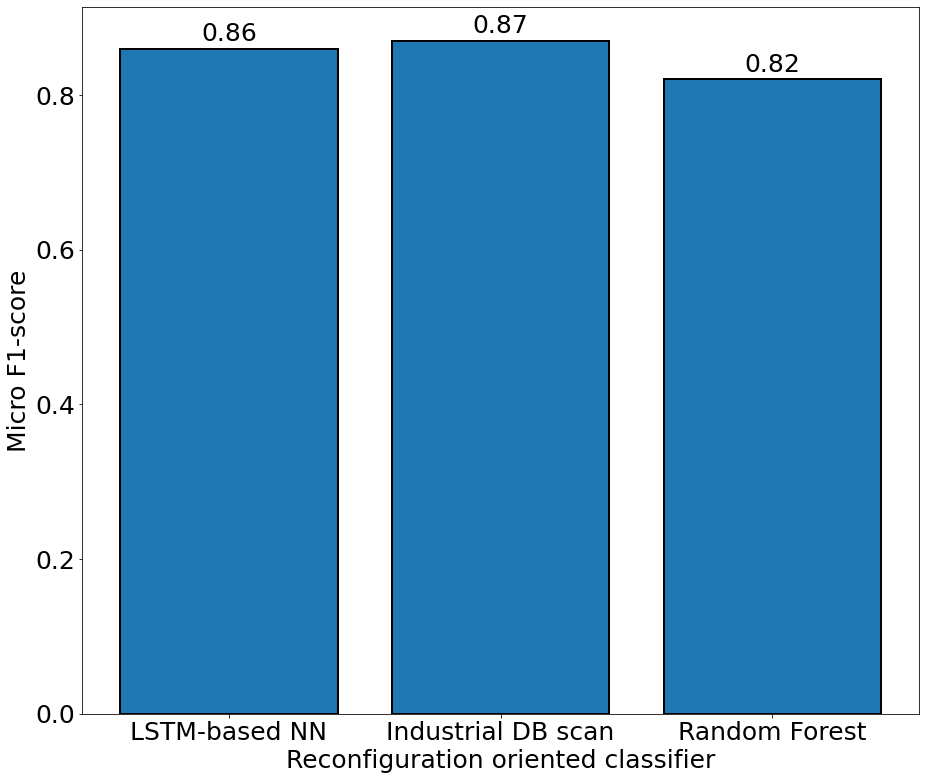
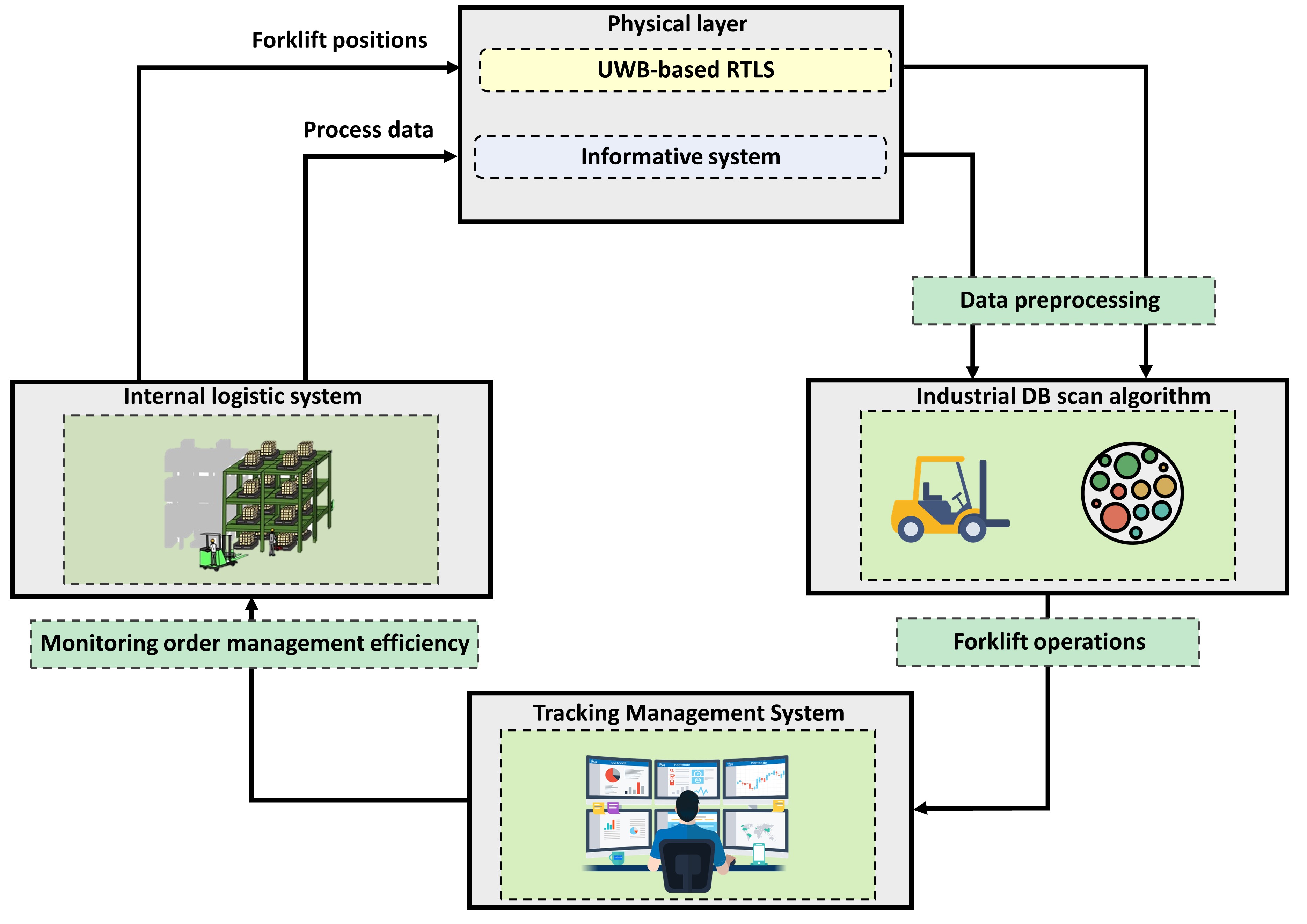
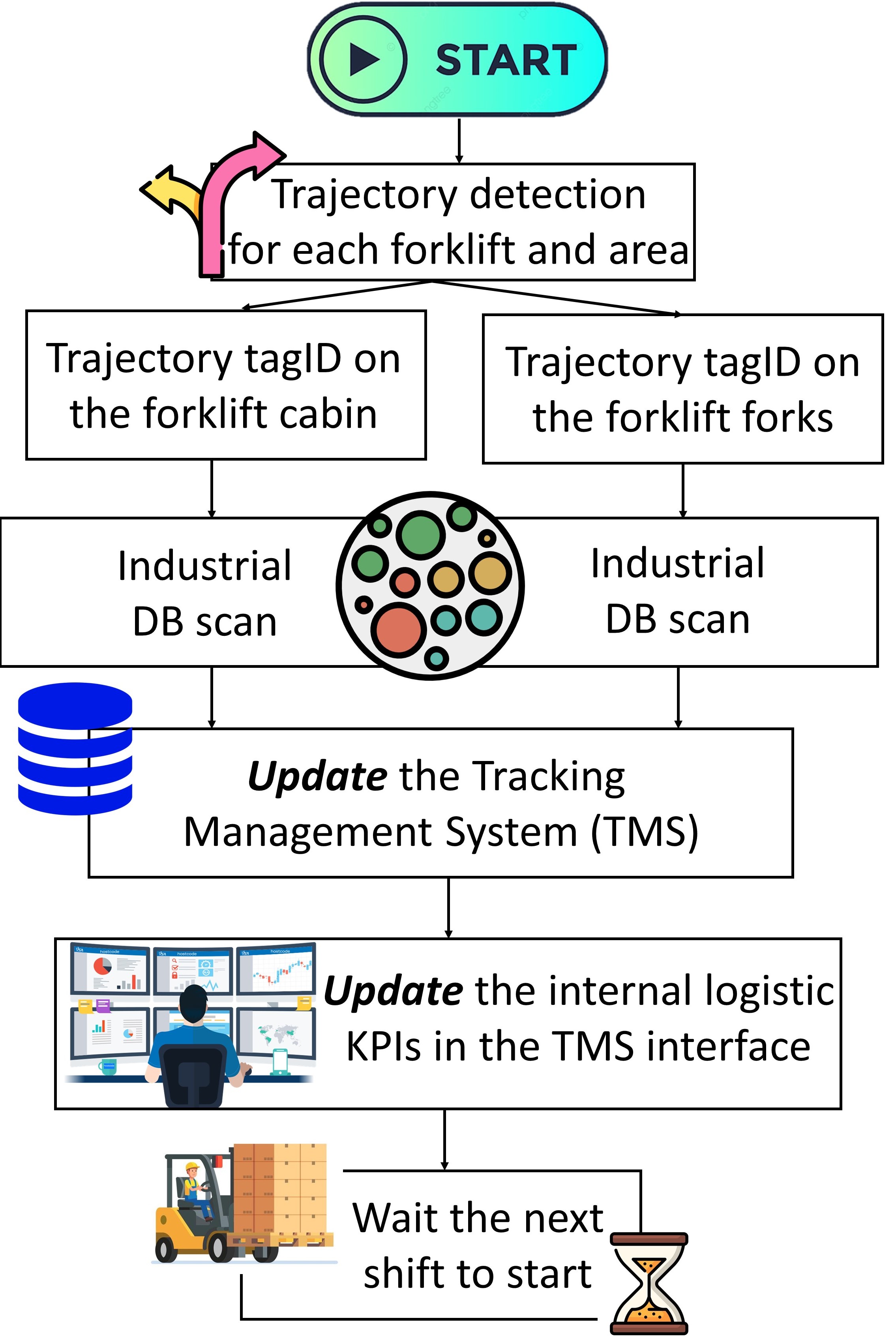
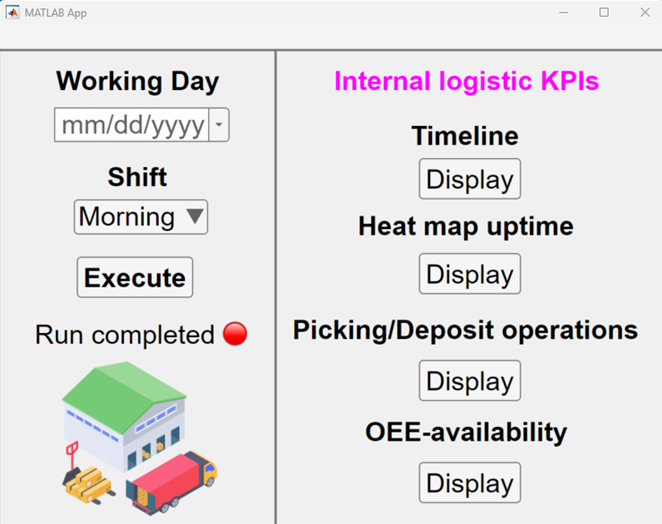
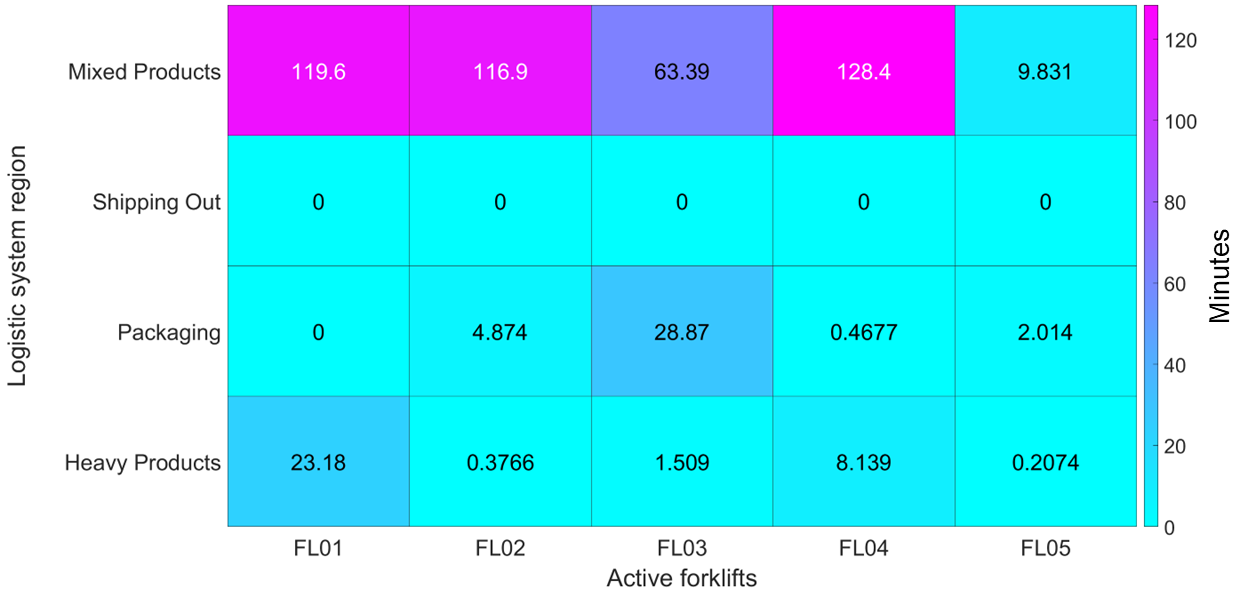
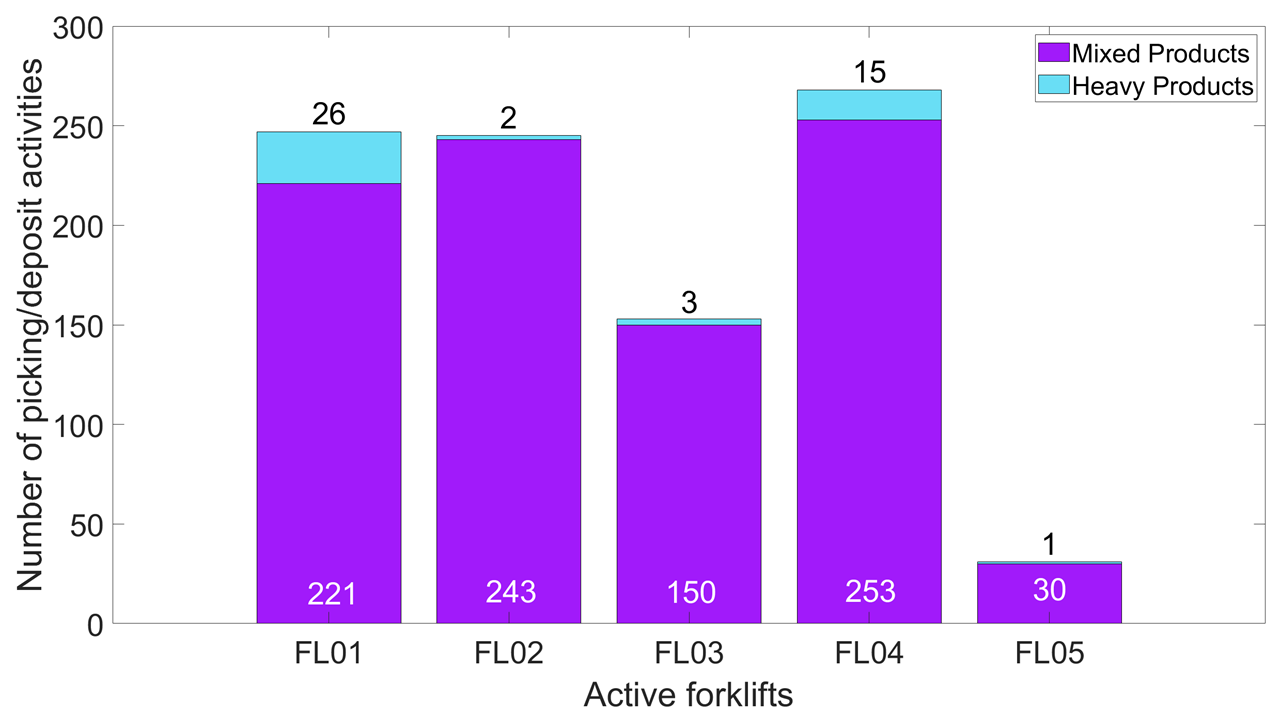
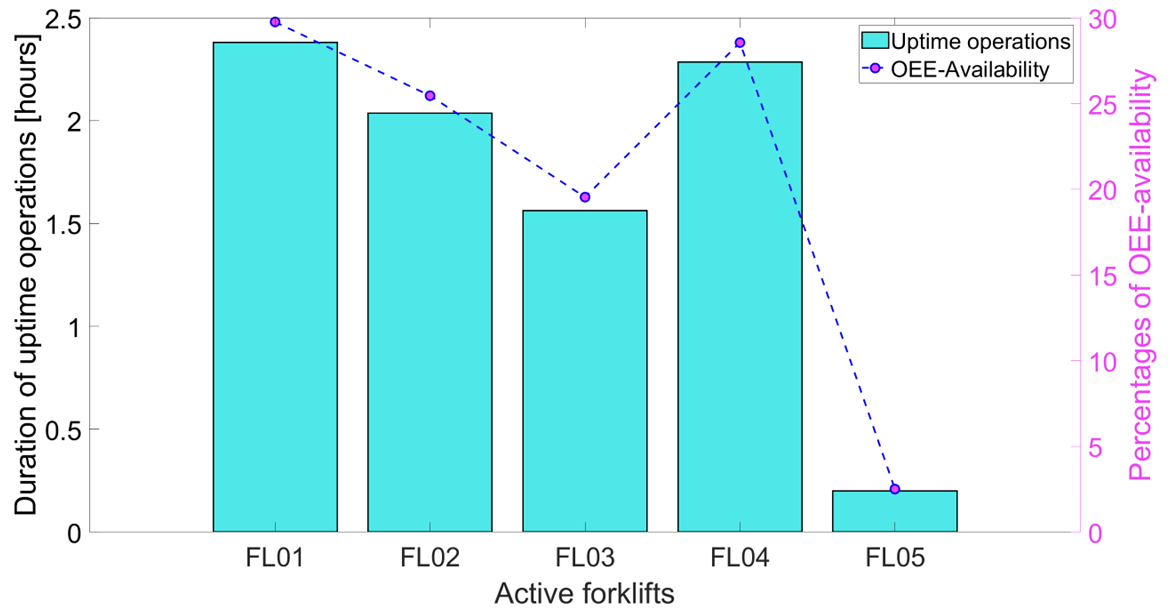
Modern internal logistic systems face several challenges, from supply chain disruption to mass customization of marketed products. In such a highly dynamic scenario, Internet of Things technologies provide a reliable path to digitizing low-standardized systems and quantitatively monitoring their functioning. In addition, acquired measurements are often combined with machine learning methods to achieve improved data analytics. For this purpose, this work presents a digital architecture to detect logistic activities during order management. While an ultrawide band-based real-time locating system acquires the positioning information of forklifts, a goal-oriented clustering algorithm called Industrial DB scan classifies process-driven operations during the shift. These insights represent valuable information for constantly evaluating the operational efficiency of logistic systems. The robustness and validity of the industrial DB scan are tested from different perspectives. On the one hand, a quantitative benchmark with traditional clustering methods is performed. The proposed algorithm results in the most effective approach to detect uptime forklift operations. On the other hand, a warehousing system proves the operational functioning of the algorithm. In this regard, a Tracking Management System interface is developed to achieve a user-friendly process monitoring, where plant supervisors can analyze several internal logistic key performing indicators.

Learning human-process interaction in manual manufacturing job shops through indoor positioning systems
Tech Stack
- Coding: Python, MATLAB
- Libraries: Scikit-learn
- Ingestion: Node-Red
- Databases: InfluxDB
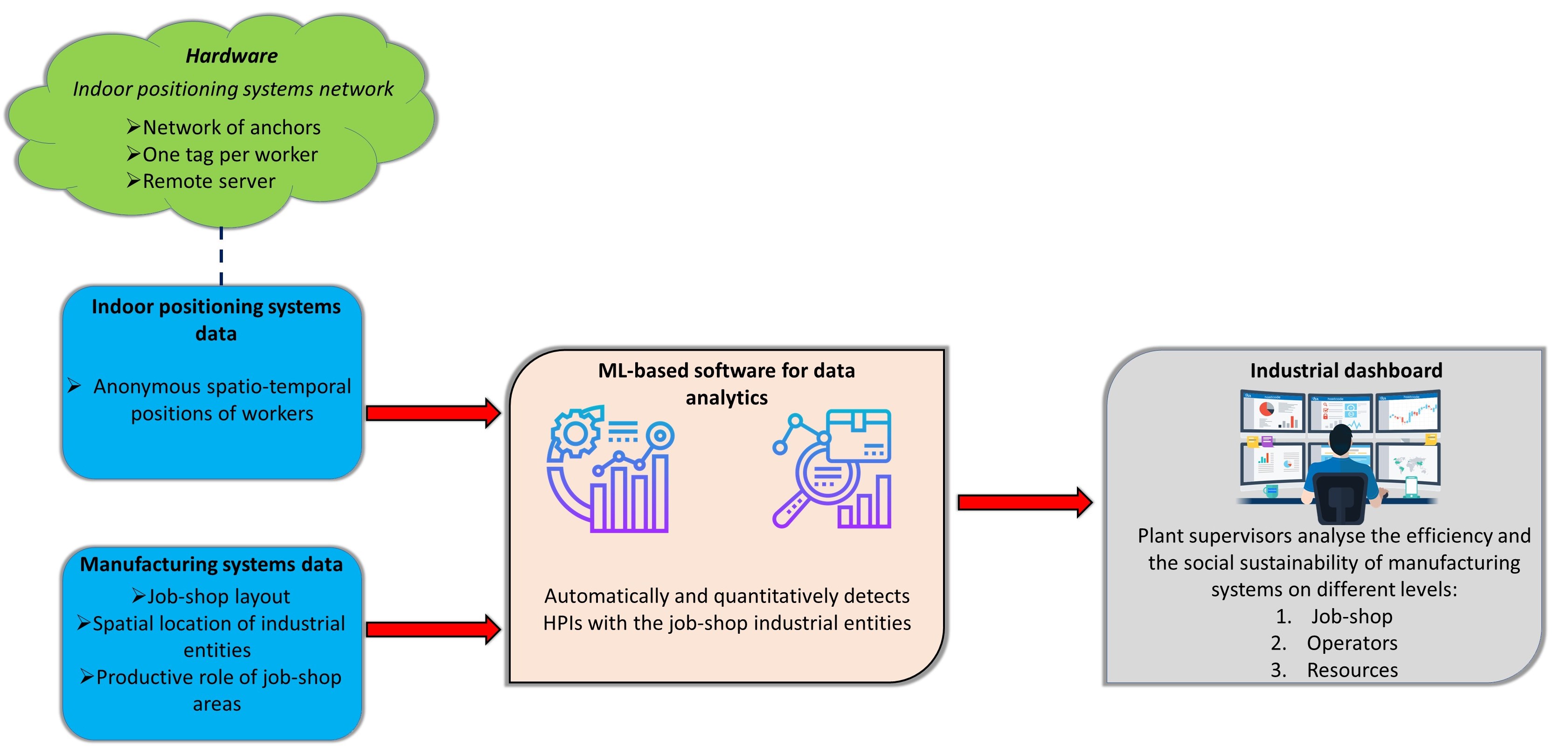
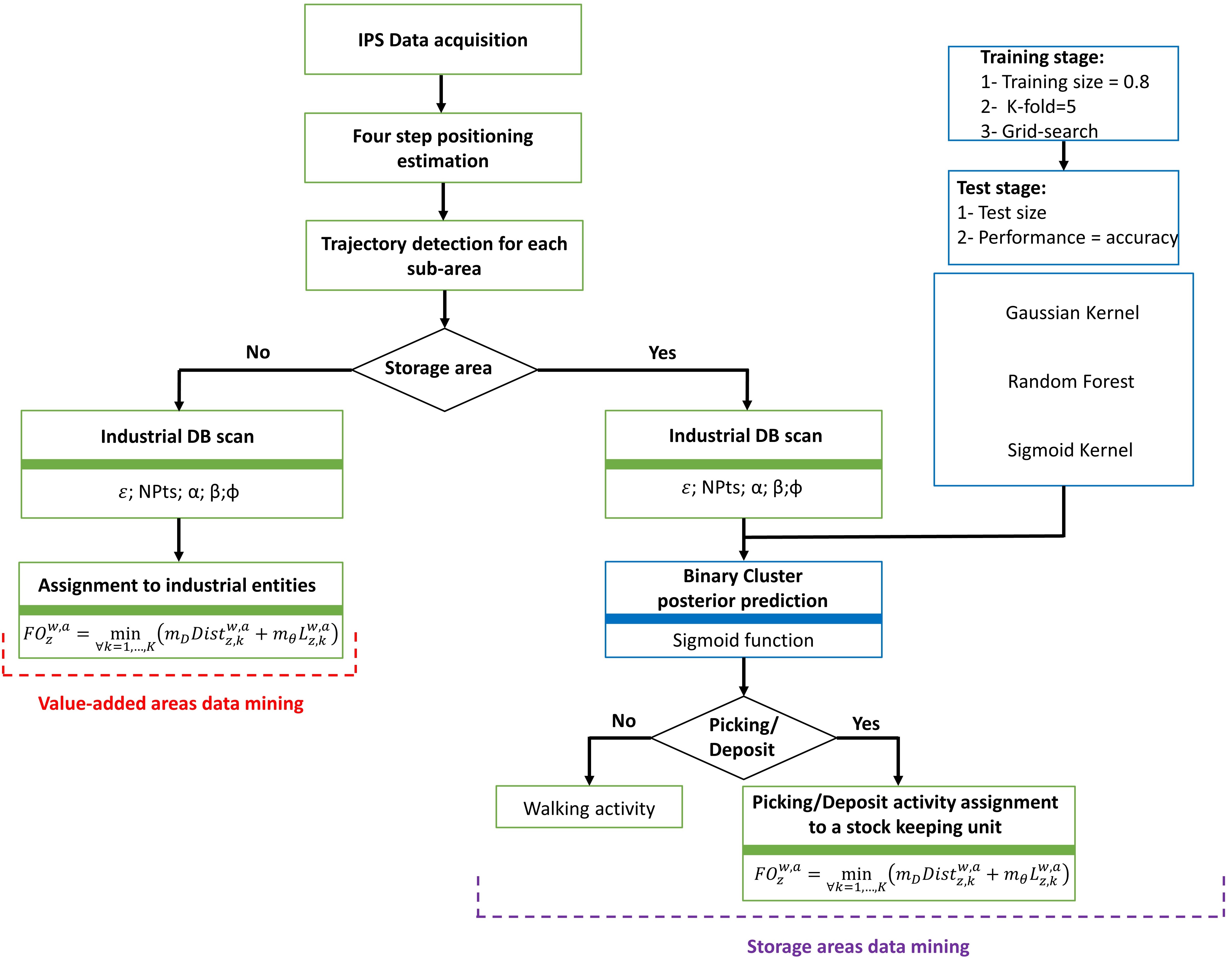
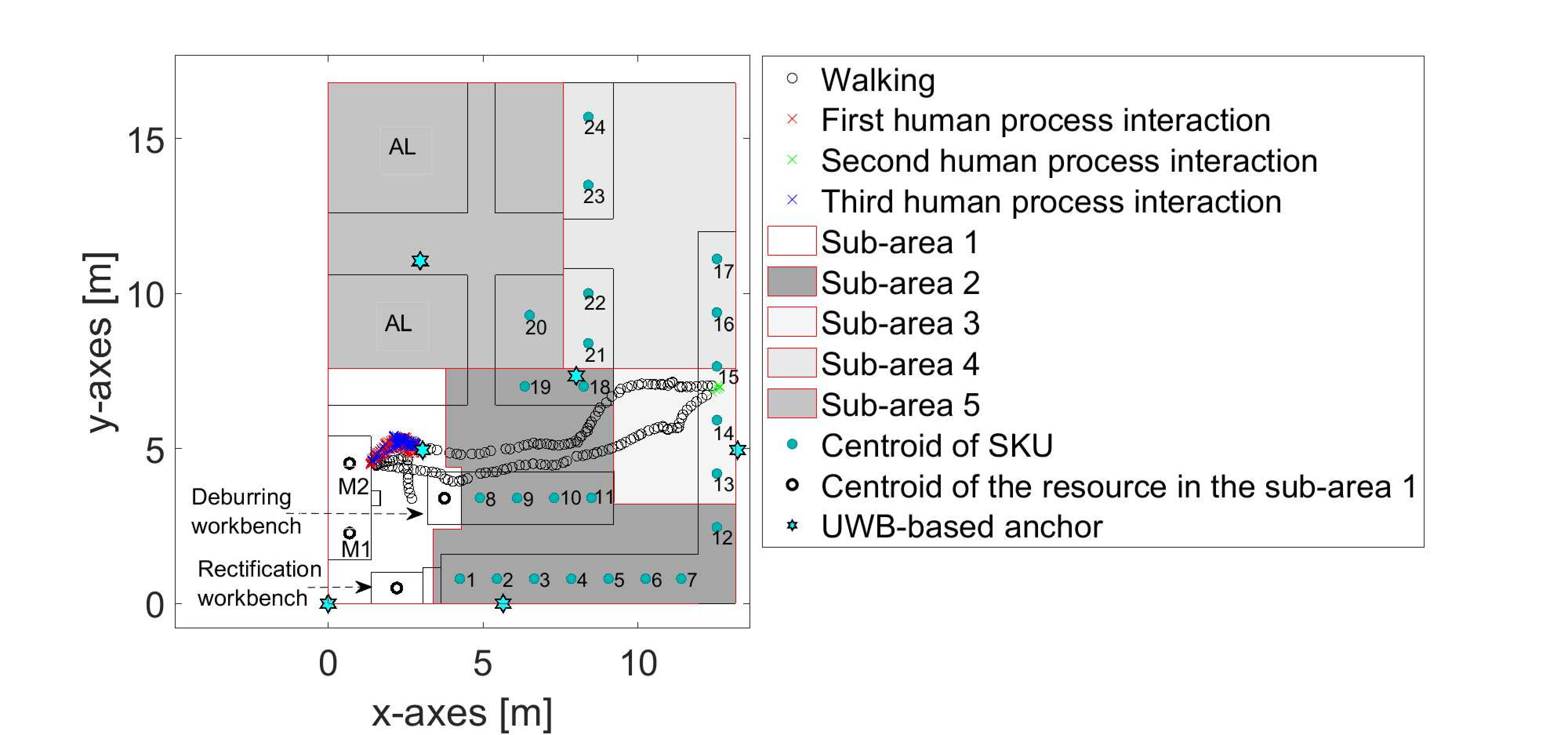
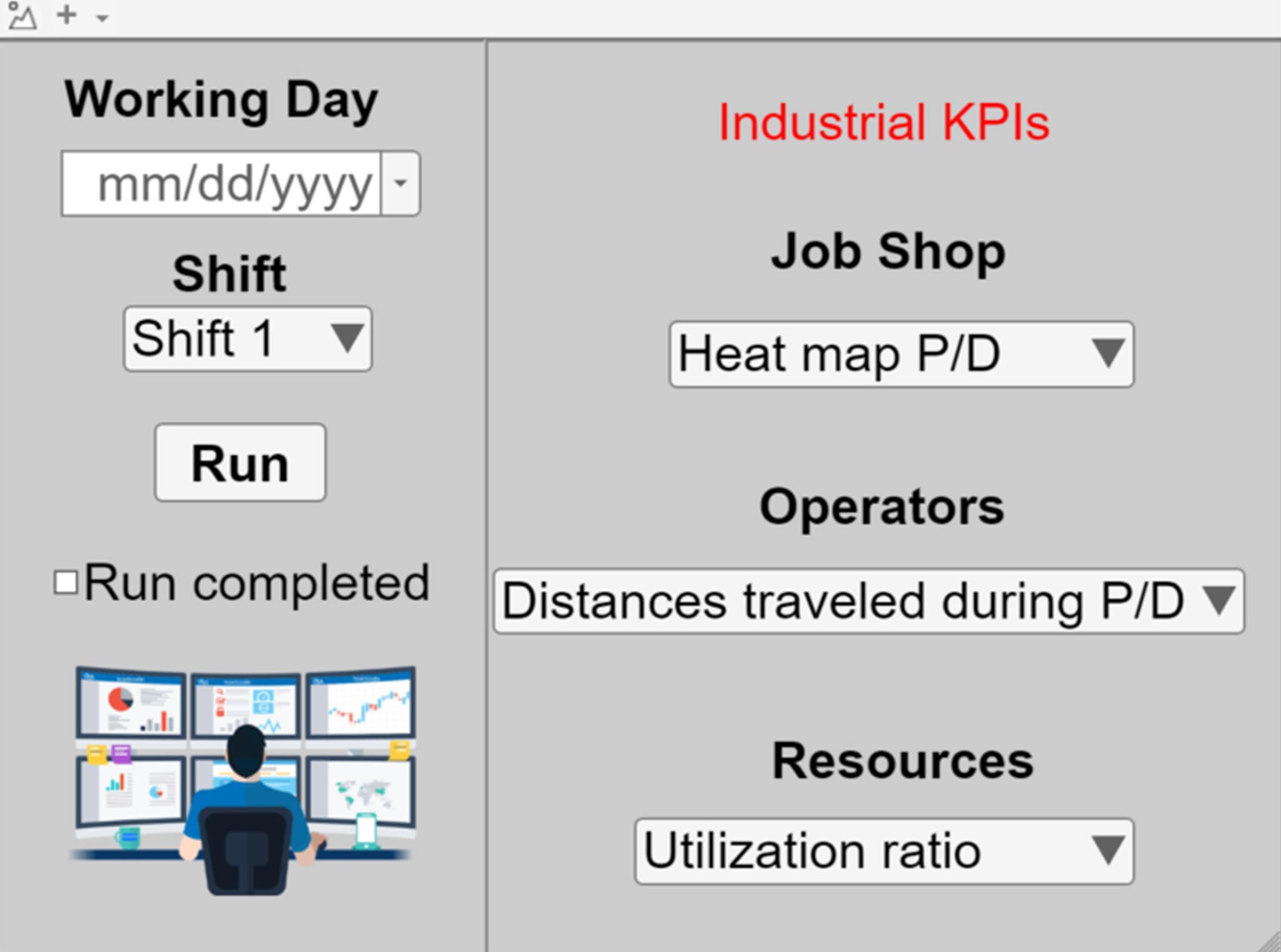
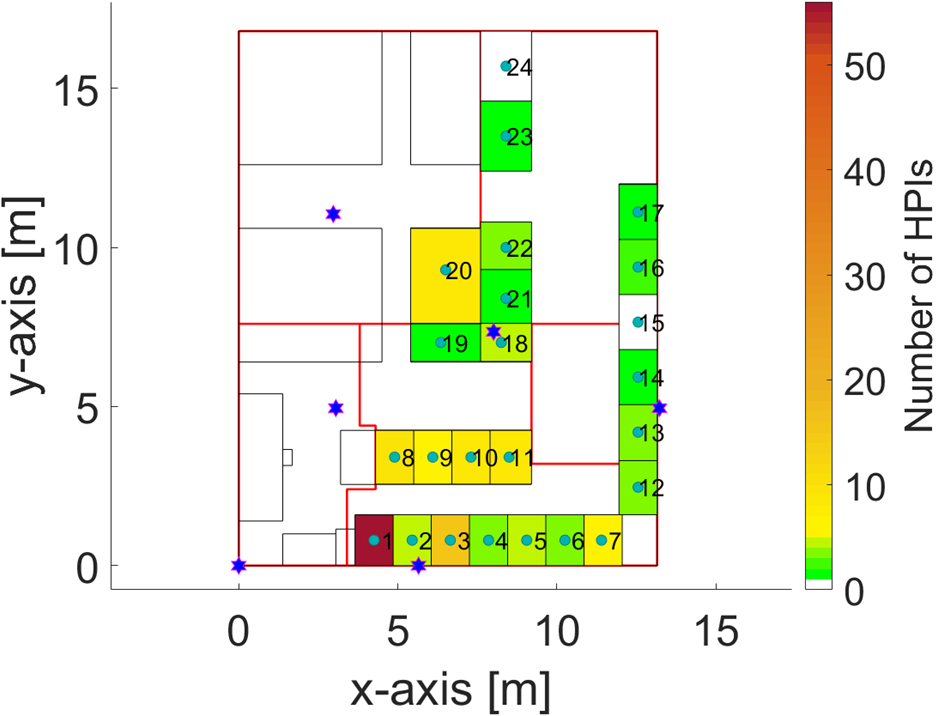
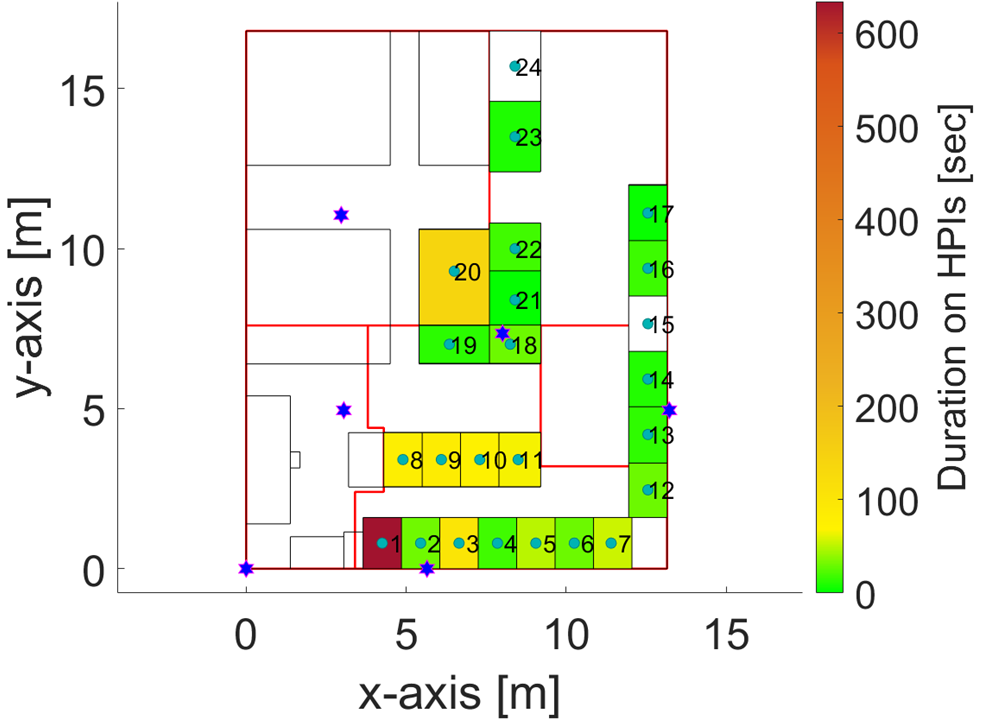
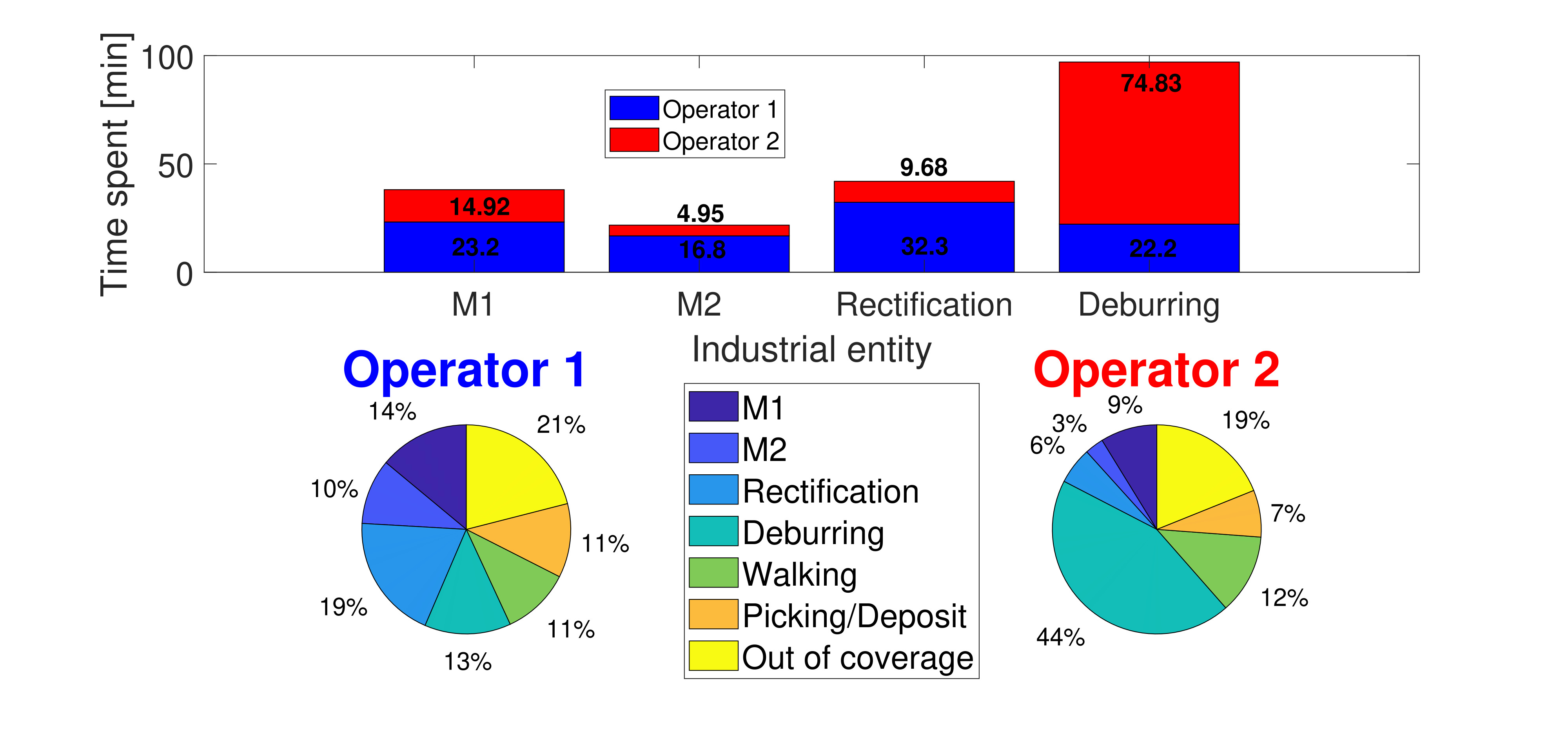
Nowadays, manufacturing systems are increasingly embracing the Industry 4.0 paradigm. Therefore, manual and low-standardized manufacturing environments are often digitized through Industrial Internet of Things technologies to quantitatively assess and investigate the role of the human factor from multiple points of view. This approach is commonly known as Operator 4.0. In such a scenario, this manuscript proposes an original digital architecture to monitor the efficiency and the social sustainability of labor-intensive manufacturing job shops. While the anonymous spatio-temporal trajectories of tagged workers are acquired through an ultrawide band radio network, machine learning algorithms autonomously detect the human-process interactions with strategic industrial entities upon developing industrial key performing indicators. The proposed architecture is tested and validated in a real manual manufacturing system. In detail, the performing accuracies of the machine learning-based software provide industrial plant supervisors with several production metrics to identify the hidden weaknesses and bottlenecks of the monitored manufacturing system. Such digital assessment may trigger a re-organization of the considered process to, for instance, enhance the allocation of the material in storage areas while fairly re-balancing the distances traveled by workers for picking activities.
Digital ergonomic assessment to enhance the physical resilience of human-centric manufacturing systems in Industry 5.0
Tech Stack
- Coding: Matlab, Python, C#
- Protocols: Bluetooth, Wi-Fi
- Ingestion: Node-Red
- Databases: InfluxDB
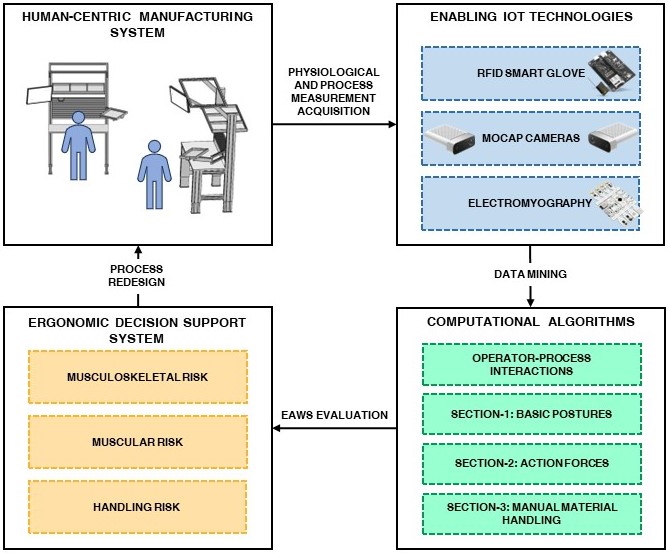
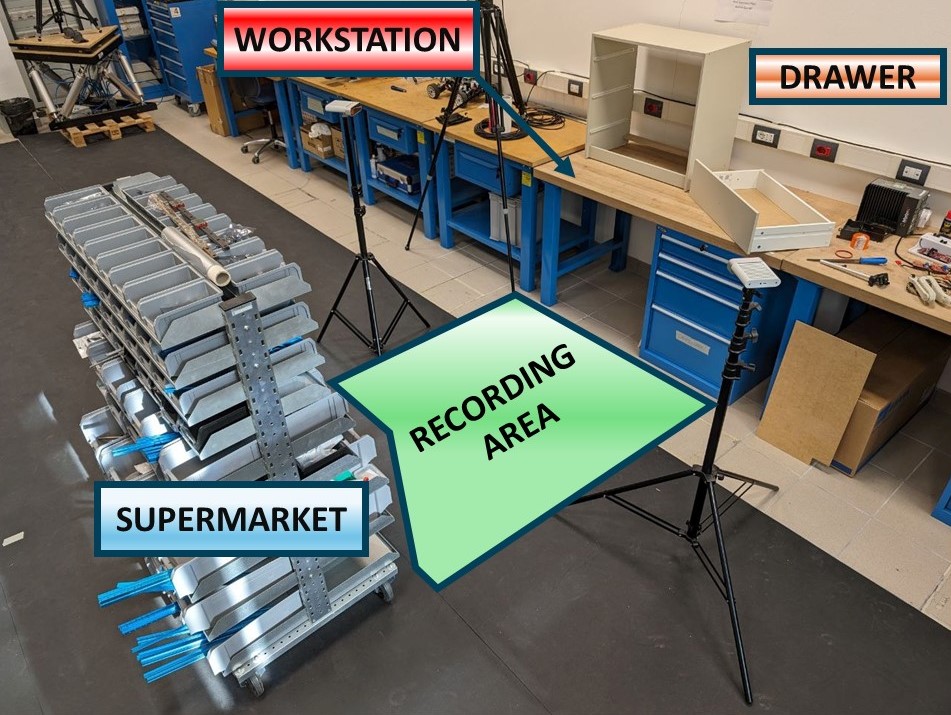
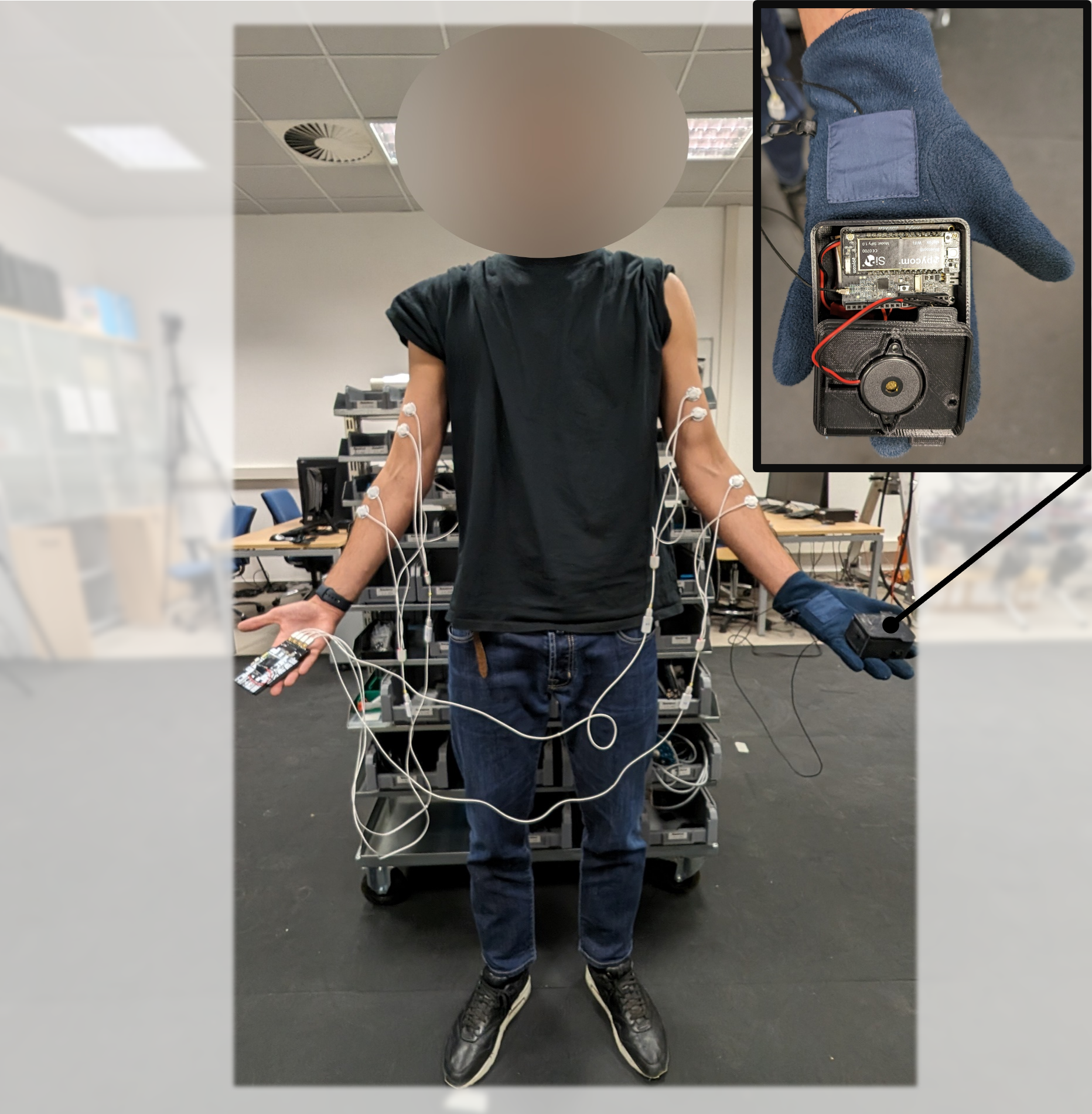
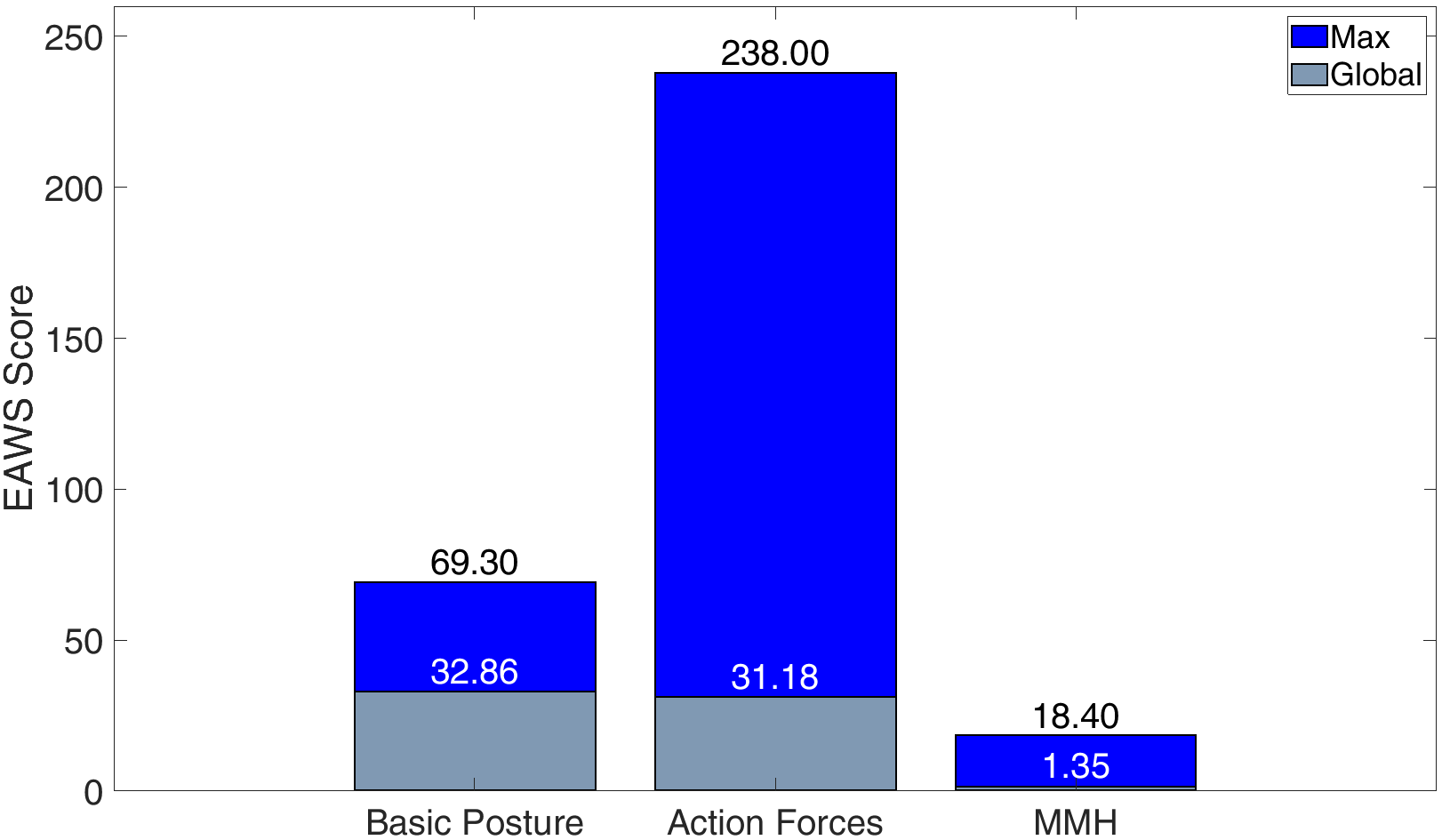
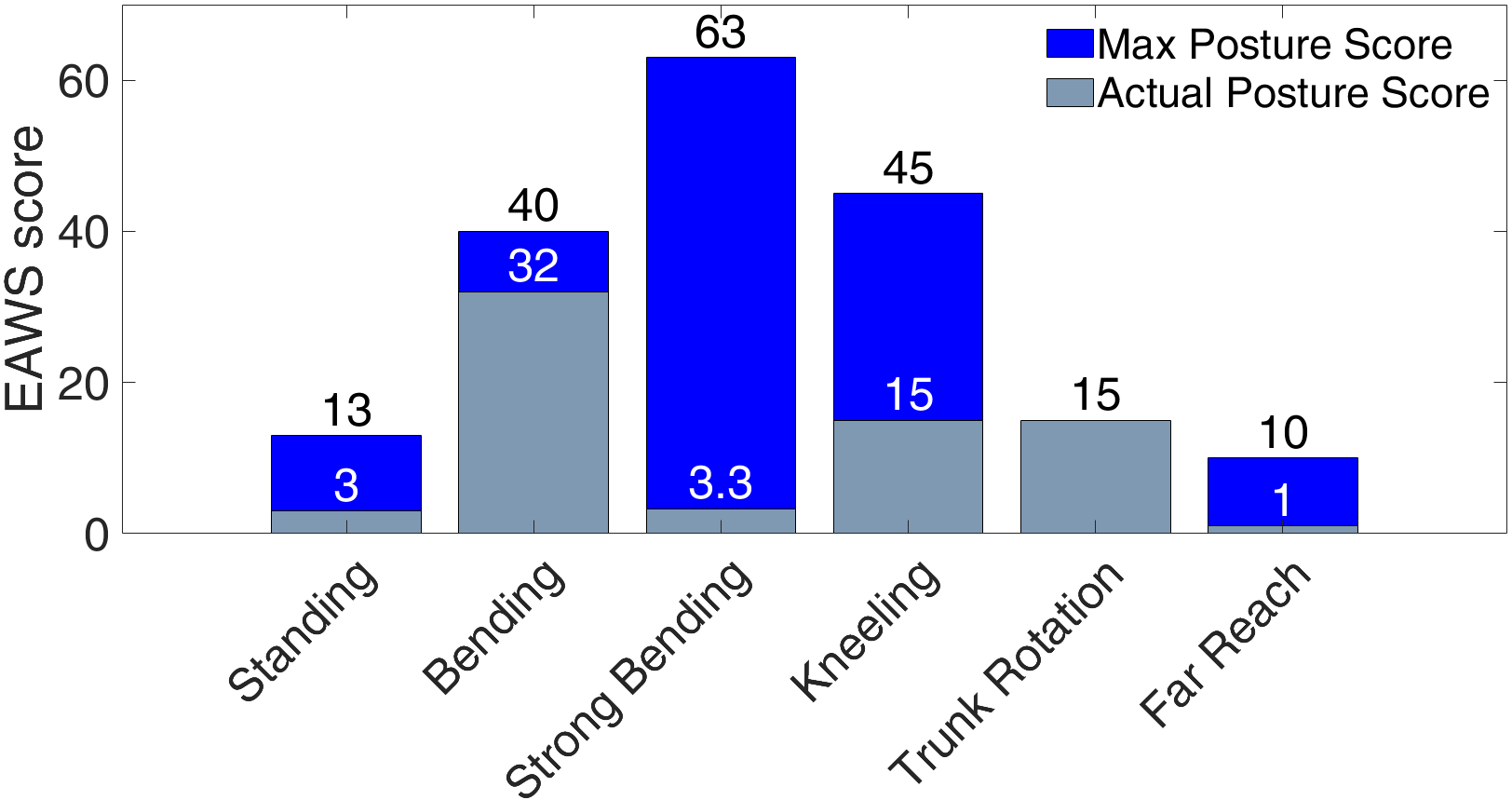
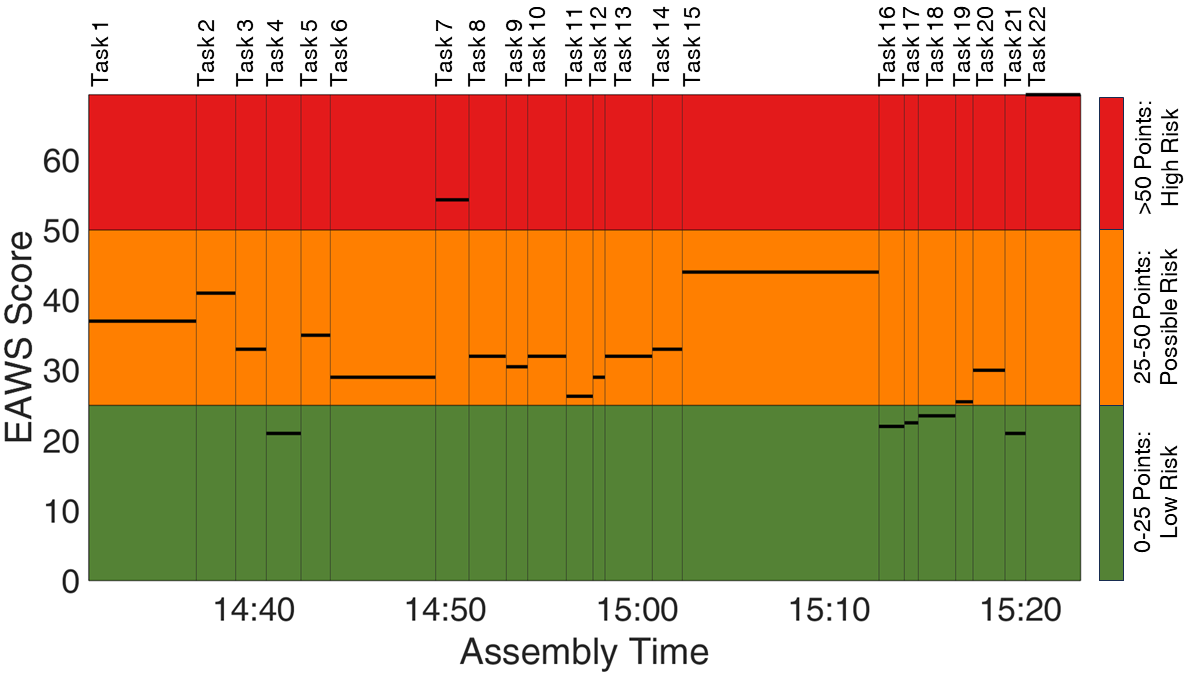
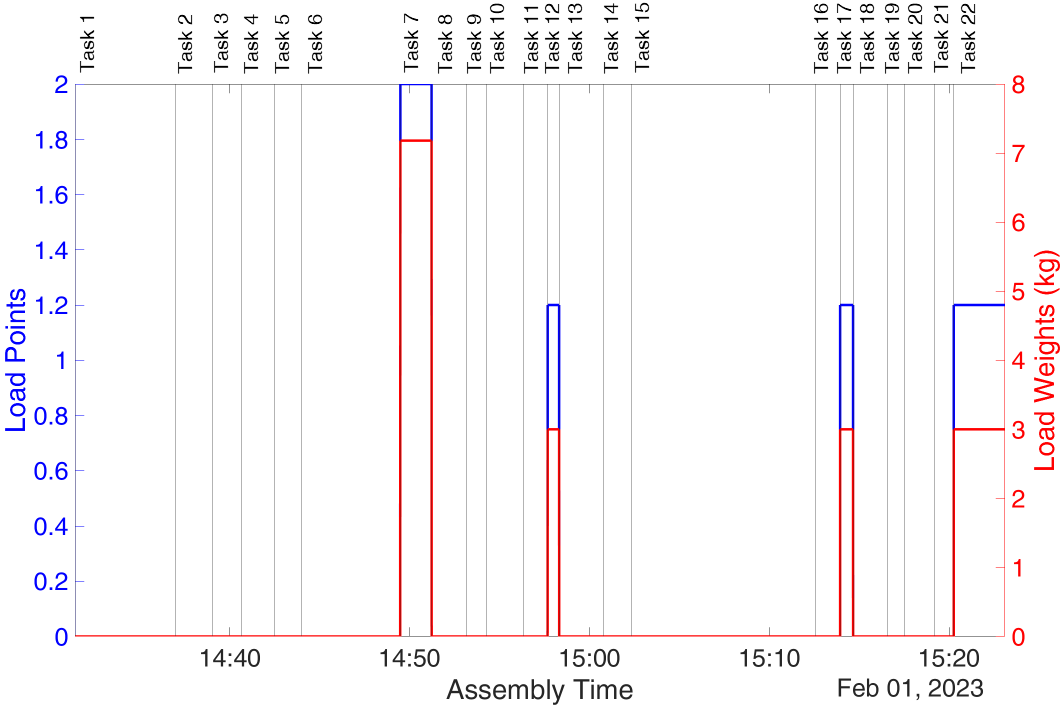
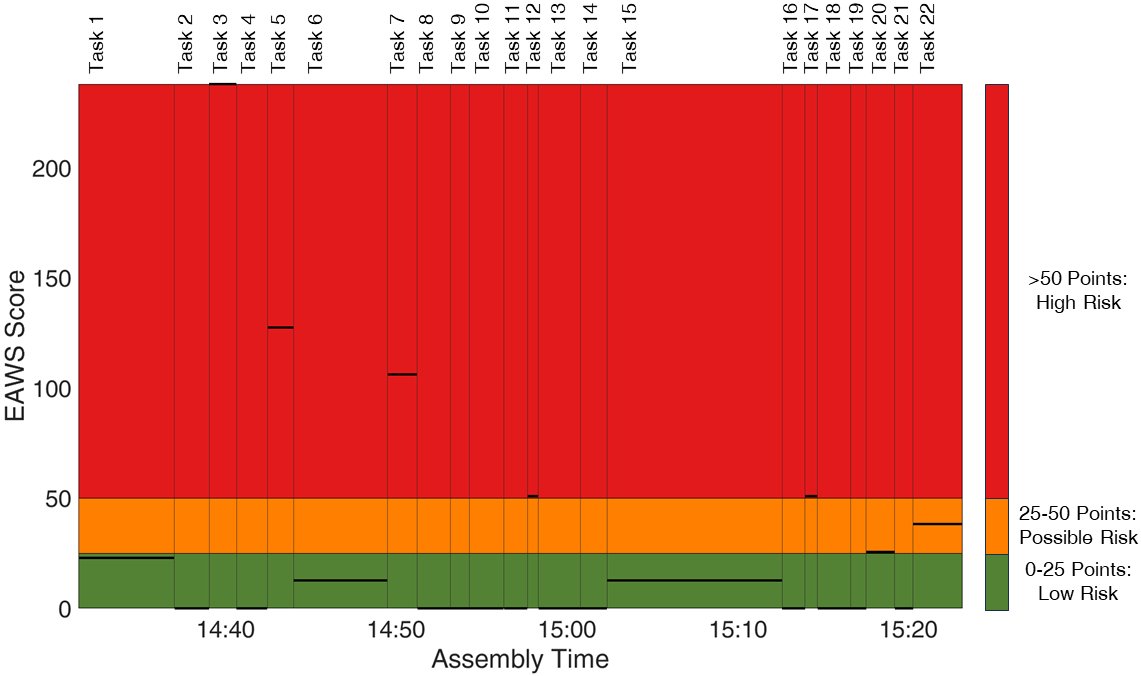
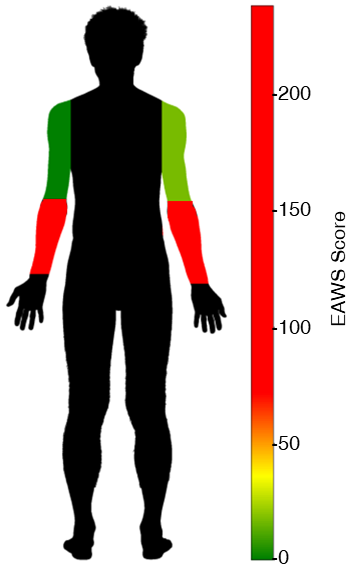
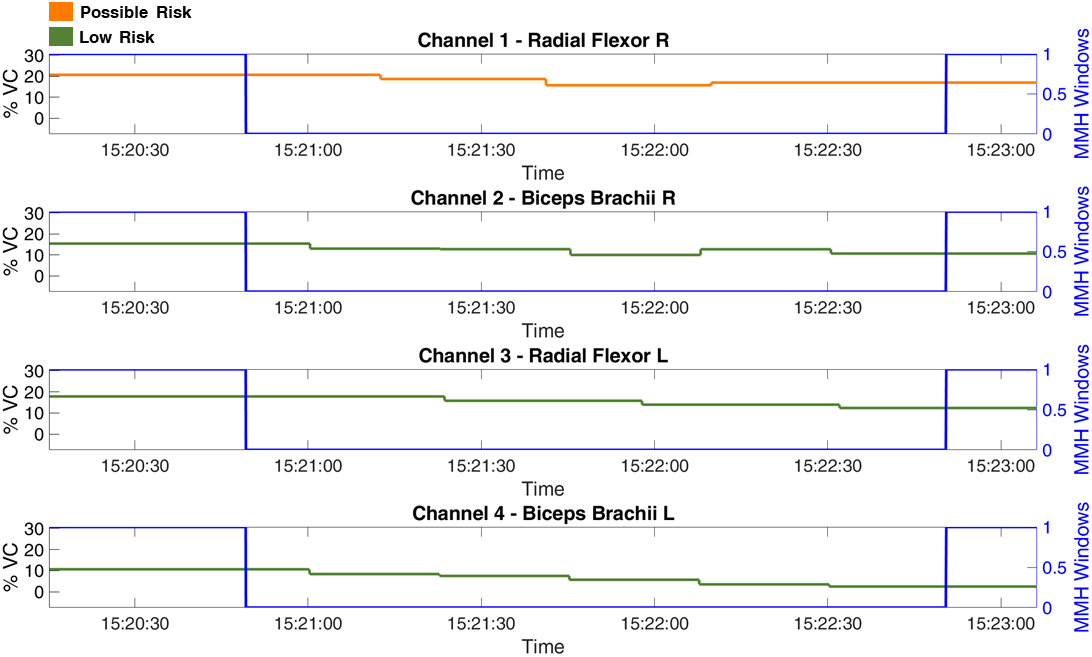
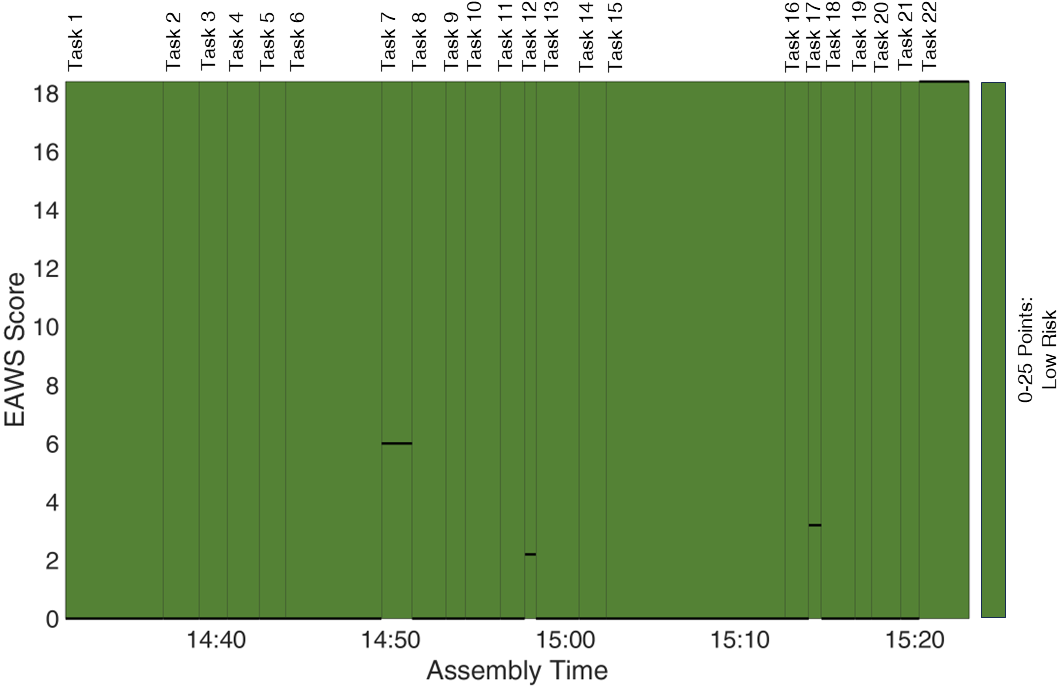
The emergence of Industry 5.0 promotes the creation of human-centric values. To fulfill this objective, Internet of Things (IoT) technologies are increasingly being exploited to digitize the human factor and monitor the ergonomics of manual manufacturing systems. These digital assessments, combined with computational algorithms, contribute to the establishment of socially inclusive workplaces while offering detailed insights to safeguard the health of the aging workforce. In this scenario, this study proposes a digital architecture for evaluating the European Assembly Worksheet (EAWS) in human-centric manufacturing systems. Three distinct enabling technologies are leveraged to acquire heterogeneous data streams. A radio-frequency-based smart glove detects the operator’s interactions with the surrounding environment, while a network of marker-less cameras and a four-channel surface Electromyography (sEMG) system capture body joint movements and muscular contractions of the upper limbs, respectively. The acquired data are processed by computational algorithms to define an EAWS-driven set of Key Risk Indicators (KRIs), embedded in an ergonomic decision support system. These risk metrics highlight operator-driven process weaknesses in musculoskeletal, muscular, and material handling dimensions. Finally, the validity of the proposed digital architecture is demonstrated in an industrial-related pilot environment, where an operator assembles a piece of home furniture.